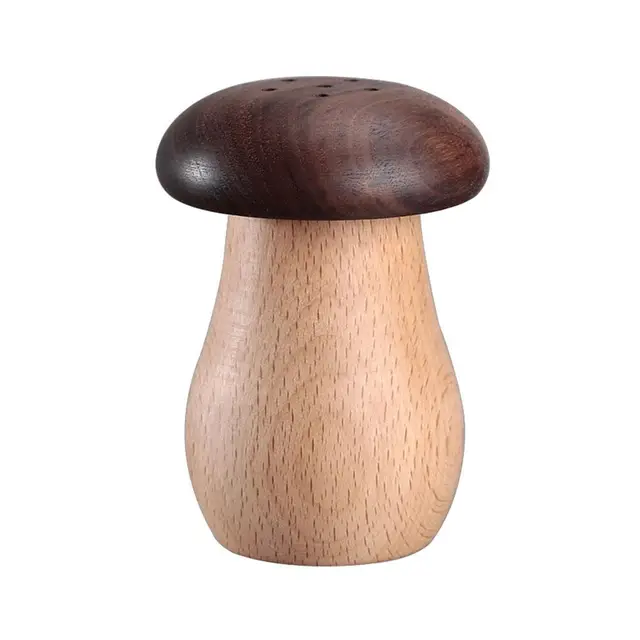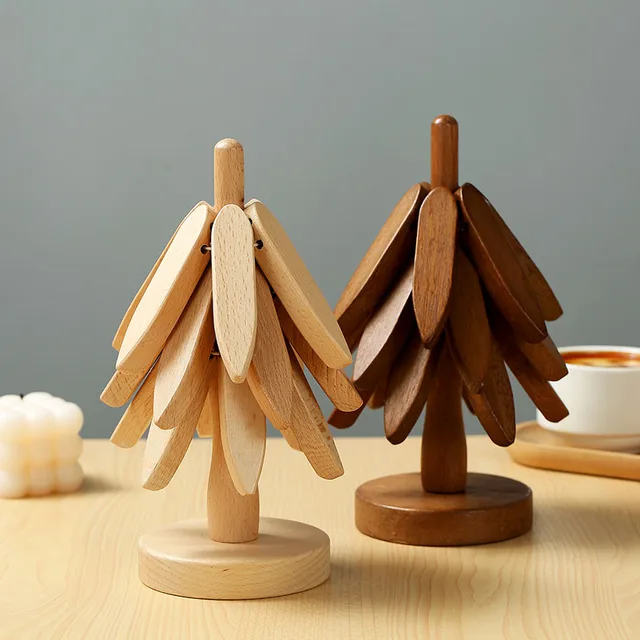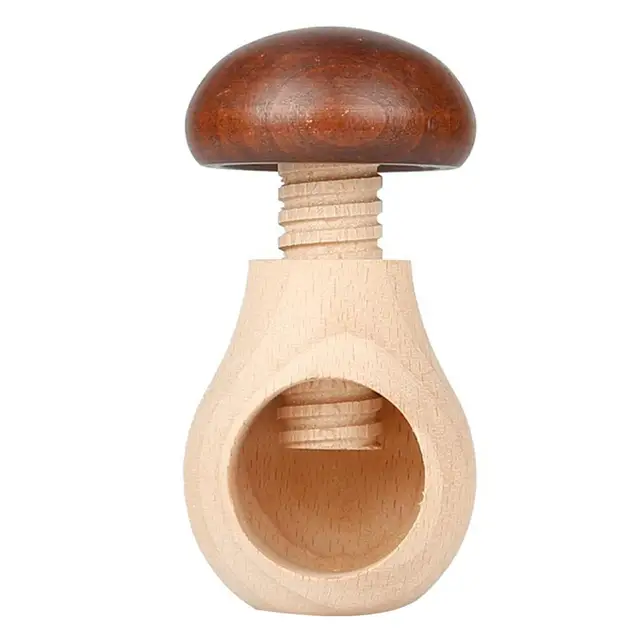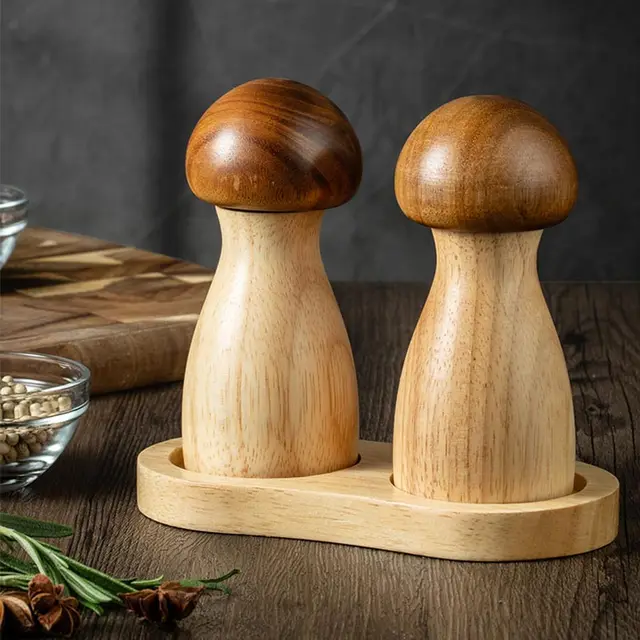

Wooden kitchen tools bring warmth and character to our cooking spaces. Whether it’s a well-loved wooden spoon or a handcrafted cutting board, these items not only add aesthetic appeal but also enhance our culinary experience. However, to keep them looking beautiful and functioning well, it’s crucial to understand how to maintain and clean wooden kitchen tools properly. Let’s dive into why caring for your wooden utensils is essential, and how you can do it easily and effectively.
Key Takeaways
- Proper cleaning of wooden kitchen tools is crucial to prevent bacteria buildup.
- A thorough step-by-step cleaning guide ensures wooden tools are sanitized effectively.
- Regular oiling and careful drying are best practices for maintaining wooden kitchen utensils.
- Avoid soaking wooden tools in water and using harsh chemicals to prevent damage.
- Implementing care tips can significantly extend the lifespan of your wooden kitchen tools.
Understanding the Importance of Proper Cleaning
When it comes to keeping your kitchen running smoothly, the importance of properly cleaning wooden kitchen tools can’t be overstated. Wooden utensils, cutting boards, and serving trays not only add charm and warmth to your kitchen, but they can also harbor bacteria if not maintained correctly. Unlike plastic or metal tools, wood has unique properties that require tender care to ensure they remain functional and beautiful. Learning how to maintain and clean wooden kitchen tools properly not only prolongs their life but also ensures that your food remains safe and your kitchen stays inviting. So, let’s dive into some friendly tips and insights that will help you keep those treasured wooden items in peak condition.
Step-by-Step Cleaning Guide for Wooden Tools
Taking care of your wooden kitchen tools not only keeps them looking beautiful but also extends their lifespan significantly. When it comes to how to maintain and clean wooden kitchen tools properly, a thoughtful approach can make all the difference. Here’s a step-by-step guide to help you ensure your cherished wooden items remain in prime condition.
###
1. Gather Your Supplies
Before diving into the cleaning process, gather your supplies. You’ll need mild dish soap, warm water, a soft sponge or cloth, an old toothbrush for stubborn spots, food-safe mineral oil or beeswax, and a clean, dry towel.
###
2. Rinse and Scrub
Start by rinsing your wooden tools under warm water. Avoid soaking them in water, as prolonged exposure can cause warping. Apply a little mild dish soap to a soft sponge or cloth, and gently scrub the wood. For areas with stubborn residue, an old toothbrush can help reach those tricky spots. Remember, being gentle is key to preserving the wood’s finish during this step.
###
3. Rinse Again
Once you’ve scrubbed the tools, rinse them thoroughly to remove any soap residue. It’s crucial to get rid of all cleansing agents to avoid any future interactions with food.
###
4. Dry Properly
After rinsing, pat the wooden tools dry with a clean towel. Stand them upright or lay them flat to ensure they air dry completely before storing. This helps prevent moisture retention, which can lead to mold or bacteria growth.
###
5. Condition the Wood
To maintain the integrity and beauty of your wooden tools, it’s important to condition them regularly. Use a food-safe mineral oil or beeswax for this purpose. Apply a small amount to a cloth and rub it over the wooden surface in a circular motion, allowing the oil to penetrate the wood. This not only enhances the wood’s natural appearance but also creates a protective barrier against moisture and stains.
###
6. Store Wisely
Finally, how you store your wooden kitchen tools can affect their longevity. Keep them in a well-ventilated area, away from direct sunlight. Avoid stacking wooden utensils, as friction can lead to scratches.
### Conclusion
With a bit of care and attention, maintaining and cleaning your wooden kitchen tools becomes a simple but rewarding ritual. By following these straightforward steps, you ensure that these beautiful and timeless utensils remain in excellent shape for years to come. Every time you reach for that wooden spoon or cutting board, you’ll appreciate the effort you’ve invested in keeping them clean and well-cared for.
‘Wood is a wonderful material; it has personality and warmth. It deserves care and respect, especially in our kitchens where it helps create the most important meals of our lives.’ – Unknown
Best Practices for Maintaining Wooden Kitchen Tools
When it comes to our beloved wooden kitchen tools, a little care goes a long way in ensuring they last for years. Knowing how to maintain and clean wooden kitchen tools properly is essential not just for their longevity, but also for the health of your family. Wooden utensils, cutting boards, and bowls are not only beautiful; they also enhance the flavors of your food. Yet, to keep them in top condition, you’ll need to follow some best practices that make caring for them simple and effective.
### Understanding the Beauty of Wood
Wooden kitchen tools may require more attention than their plastic counterparts, but the warmth and craftsmanship they bring to our kitchens are unmatched. Various types of wood, such as bamboo, maple, and teak, have their own unique properties that influence not only aesthetics but also how they should be cleaned. For example, bamboo tools are remarkably durable and often more resistant to moisture compared to softer woods. Knowing the specifics of your tools allows you to tailor your cleaning methods accordingly.
### Cleaning your wooden kitchen tools
To start, it’s crucial to understand the proper way to clean these items. Wooden kitchen tools should never go into the dishwasher or soaking in water. Instead, hand wash them with mild soapy water using a soft sponge, then rinse them quickly—this prevents any warping or cracking. For stubborn stains or odors, you can sprinkle some baking soda on the surface and scrub lightly. This gentle abrasive will lift stubborn residues without damaging the wood.
### Drying wooden tools
After washing, always dry your wooden kitchen tools immediately with a clean towel. Leaving them to air dry can lead to moisture retention, which may cause them to swell or crack over time. Ensure every nook and cranny is nicely dried; a well-cared wooden utensil can truly stand the test of time.
### Oiling your tools
Regularly applying food-safe mineral oil or beeswax to your wooden kitchen tools is another essential practice. This step not only enhances the wood’s natural beauty but also creates a moisture barrier. Depending on how often you use these items, consider oiling them once every month or two. Just apply a generous amount of oil with a clean cloth, let it sit for a few hours or overnight, and then wipe off any excess. This will keep your kitchen tools hydrated and looking vibrant.
### Storing your wooden kitchen tools
How you store your wooden kitchen tools can also impact their longevity. Opt for a dry, well-ventilated area. Hanging them on a pegboard or placing them in a dedicated drawer can be an excellent way to prevent scratches and dings. Avoid keeping them in humid environments, as that can promote mold and decay.
### When to retire your wooden tools
Every good kitchen tool has its lifespan, and wooden utensils are no exception. If you start to notice consistent cracks, splintering, or deep grooves, it may be time to say goodbye. Though it’s hard to part with a favorite spoon or a well-loved cutting board, replacing them helps maintain kitchen hygiene and efficiency.
### Conclusion
In summary, maintaining wooden kitchen tools is a labor of love that yields beautiful rewards. By following these best practices, you ensure that your wooden tools remain functional and attractive for many years to come. Remember to clean them properly, avoid soaking, dry them thoroughly, oil them regularly, and store them correctly. The right care not only maintains their beauty but also preserves the essence of the meals you create.
### FAQ
1. Can I use soap on wooden kitchen tools?
Yes, using mild soap and hand washing is the right approach! Just remember to rinse and dry them thoroughly afterward.
2. How often should I oil my wooden utensils?
It’s generally recommended to oil wooden tools every month or two, but it may depend on how often you use them.
3. What’s the best way to remove odors from wooden boards?
Scrubbing with a paste of baking soda and water effectively neutralizes odors.
4. Are there any types of wood I should avoid for kitchen tools?
Avoid soft woods like pine, as they can harbor bacteria and absorb moisture.
5. Is it safe to use vinegar or bleach to clean wooden tools?
It’s best to avoid vinegar and bleach, as they can dry out the wood or cause damage.
Common Mistakes to Avoid When Caring for Wood
When it comes to maintaining and cleaning your beloved wooden kitchen tools, a few common mistakes can keep them from staying in tip-top shape. Understanding how to maintain and clean wooden kitchen tools properly is essential for longevity and functionality. One misconception many home cooks have is treating wood like other materials, such as plastic or metal. This often leads to the overuse of harsh chemicals or soakings in water, which can cause warping or cracking. Instead, gently hand wash your wooden utensils with warm, soapy water after each use, and be sure to dry them thoroughly; this helps preserve the wood’s integrity. Another error to avoid is neglecting regular oiling. Just like your skin, wood needs moisture to stay healthy. Use food-safe mineral oil or beeswax to condition your utensils every few months, particularly if they start to look dry or faded. Finally, allow them time to breathe — don’t stash them away in a damp drawer. Storing wooden tools in a dry, well-ventilated area will ensure they remain functional and beautiful for years to come.
Tips for Extending the Lifespan of Wooden Kitchen Utensils
Wooden kitchen utensils are not just functional; they add a warm, rustic charm to our culinary spaces. However, like any beloved kitchen tool, they require a little care to keep them looking great and working efficiently for years to come. So, how to maintain and clean wooden kitchen tools properly? Let’s dive into some practical tips that will help you preserve your wooden treasures while ensuring they remain safe and Hygienic for food preparation.
### Regular Washing with Care
To maintain the integrity of your wooden utensils, wash them gently by hand with warm soapy water. Avoid soaking them in water for prolonged periods, as this can lead to warping or cracking. A soft sponge or cloth works best—stay away from abrasive scrubbers that can leave scratches on the wood’s surface. Rinse thoroughly to remove any soap residue and dry them immediately with a clean towel to prevent moisture buildup, which can lead to mold.
### Conditioning for Longevity
One of the keys to keeping your wooden kitchen tools in tip-top shape is regular conditioning. Every month (or more often if you use them frequently), treat your utensils with a food-grade mineral oil or a specialized wood conditioner. Apply a small amount on a cloth and rub it into the wood in the direction of the grain. This not only helps to keep the wood hydrated but also creates a protective layer that can prevent stains and odors from penetrating.
### Avoiding the Dishwasher
Although it might be tempting to toss your wooden utensils into the dishwasher for convenience, resist the urge! The high heat and prolonged moisture can severely damage the wood, leading to cracking and splitting. Handwashing is the best way to ensure your utensils maintain their quality.
### Proper Storage
How you store your wooden utensils can also impact their lifespan. Keeping them in a drawer can lead to bumps and scrapes that can damage the surface. Instead, consider displaying your wooden spoons and spatulas in a jar or a dedicated utensil holder. This not only keeps them within easy reach but also allows for proper air circulation, reducing the risk of moisture retention.
### Inspecting Regularly
Over time, wear and tear can take a toll on your wooden tools. Make it a habit to inspect your utensils regularly for any signs of deep scratches, cracks, or splitting. If you notice any damage, it might be time for some minor refinishing. Sand the area lightly with fine-grit sandpaper, then reapply mineral oil to restore its surface.
### Conclusion
Taking the time to understand how to maintain and clean wooden kitchen tools properly can significantly extend their lifespan. With a few mindful practices—gentle washing, regular conditioning, and proper storage—you can enjoy the beauty and functionality of your wooden utensils for years to come. Remember, these tools are not just kitchen gadgets; they’re part of your culinary story, each with the potential to create countless delicious memories.
Frequently Asked Questions
Why is it important to maintain and clean wooden kitchen tools properly?
Proper maintenance and cleaning of wooden kitchen tools are essential to prevent the growth of bacteria, retain the wood’s natural beauty, and prolong the lifespan of the utensils.
What are the best practices for cleaning wooden kitchen tools?
Use mild soap and warm water to gently clean wooden tools; avoid soaking them in water. Rinse and dry them promptly, then apply food-grade mineral oil to keep the wood hydrated.
How can I extend the lifespan of my wooden kitchen utensils?
To extend their lifespan, avoid exposing wooden tools to extreme temperatures and humidity, clean them properly after each use, and regularly apply mineral oil to nourish the wood.
What are common mistakes to avoid when caring for wooden kitchen tools?
Common mistakes include soaking wooden tools in water, using harsh chemicals or abrasive scrubbers, and not oiling them regularly, all of which can damage the wood.
Can I use wooden kitchen tools with hot foods or liquids?
Yes, wooden kitchen tools are generally safe for hot foods and liquids. However, avoid exposing them to direct heat, like placing them in a hot pan, as it can cause the wood to crack.