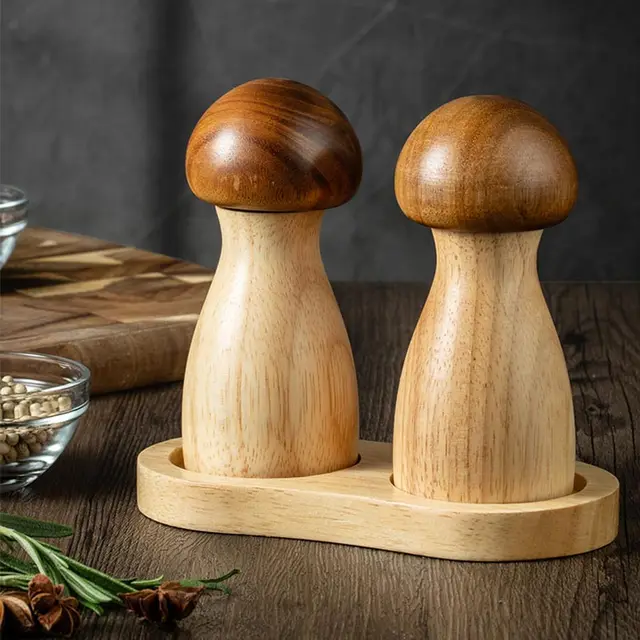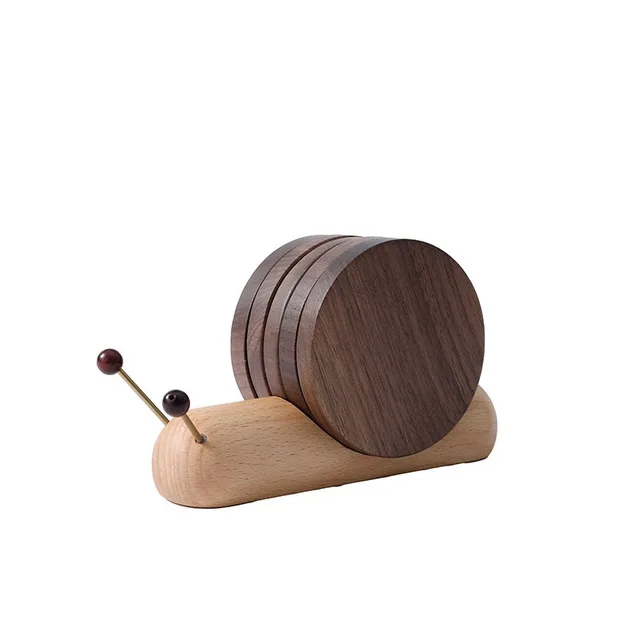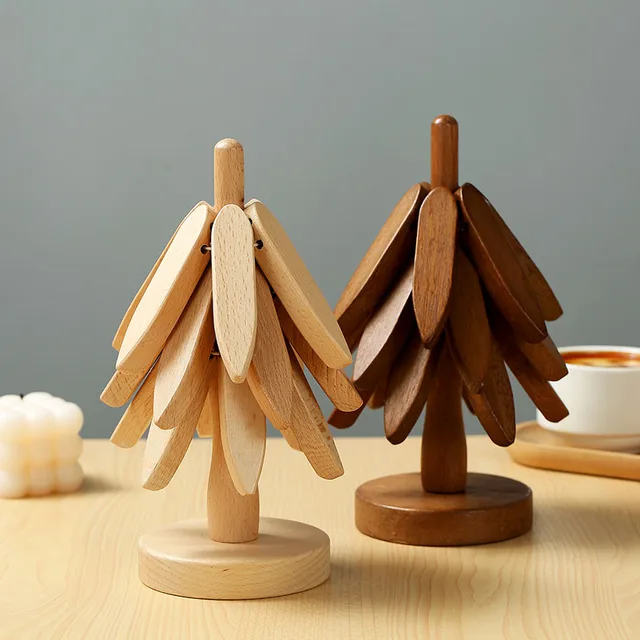
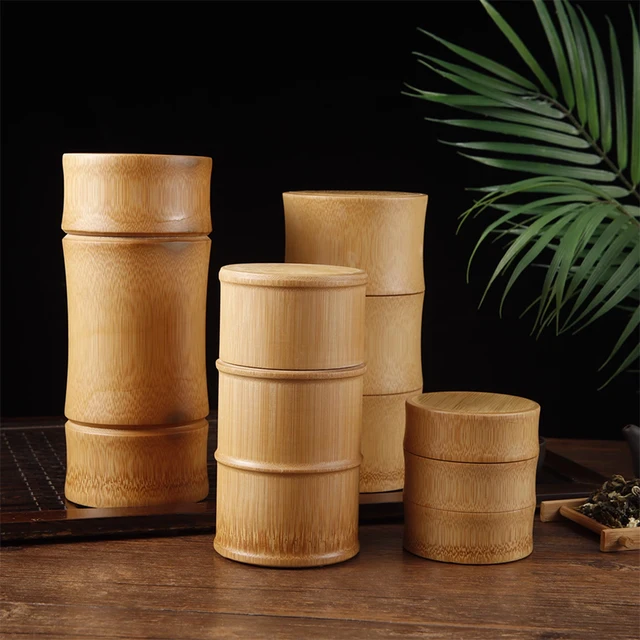
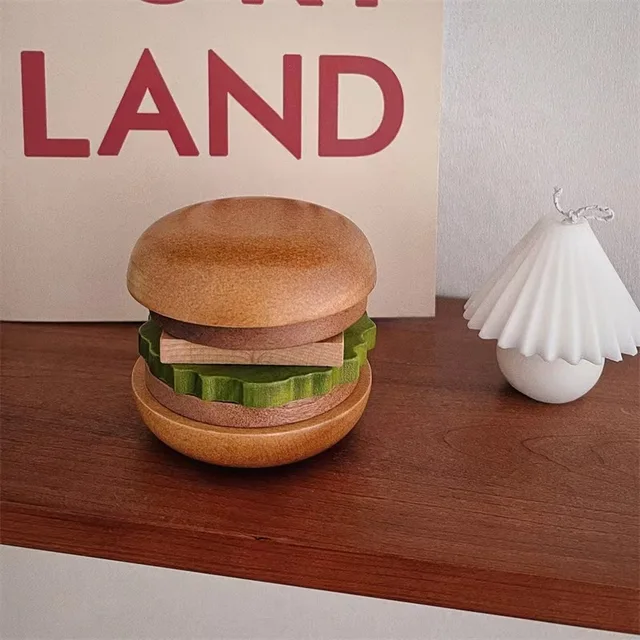

If you’ve ever stepped into a cozy kitchen or a trendy café, you may have noticed a charming wooden mushroom grinder capturing attention. These quaint pieces of kitchen equipment aren’t just for show; they bridge the delightful realm of aesthetic appeal and genuine functionality. In this review, we’ll explore wooden mushroom grinders, looking deeply into the craftsmanship that makes them unique, their practical usage, and how they hold up against other materials in the market. Whether you’re a culinary enthusiast seeking the perfect tool for your spices or simply someone who appreciates beautiful design in your kitchen, let’s dive into the world of wooden mushroom grinders.
Key Takeaways
- Wooden mushroom grinders offer unique aesthetic appeal through their craftsmanship and design.
- They provide significant functional benefits, enhancing performance and usability for grinding.
- When compared to other grinder materials, wooden grinders stand out in their visual charm.
- The balance between aesthetics and functionality is crucial when choosing a grinder for your needs.
- A thorough review can help consumers understand the practical and decorative value of wooden mushroom grinders.
Introduction to Wooden Mushroom Grinders
When it comes to enjoying the rich flavors and diverse textures that mushrooms offer, having the right tools is essential. Enter the wooden mushroom grinder—a unique blend of craftsmanship and functionality. But here’s the question many ask: Is a wooden mushroom grinder merely aesthetic, or is it truly functional? This full review will explore the qualities that make these grinders both beautiful and practical, helping you decide if it’s the right fit for your kitchen or personal collection.
Wooden mushroom grinders are celebrated for their artistic appeal. Crafted from various types of wood, each grinder showcases its own grain patterns and hues, adding a warm, natural touch to your cooking space. Whether you choose a simple design or one embellished with intricate carvings, these grinders can serve as eye-catching conversation starters. Yet, appreciating their aesthetics doesn’t mean they’re lacking in utility. A well-made wooden mushroom grinder boasts sharp teeth that can handle various types of mushrooms, creating a consistent texture that enhances your culinary creations.
### The Art of Functionality
When considering a wooden mushroom grinder, it’s important to look beyond just the surface. While they certainly score high on style points, their functionality should be front and center. A high-quality grinder allows you to easily break down mushrooms, making your prep work faster and more efficient. For tasks like preparing shiitake or portobello mushrooms for sauces or stir-fries, the right grinder can be a true game-changer.
Moreover, wooden grinders are often more durable than their plastic counterparts. They can withstand the rigors of daily use without cracking or losing their effectiveness. Just be sure to follow the care instructions—properly cleaning and maintaining your wooden grinder will keep it looking and performing like new for years to come.
### Practical Advice for Choosing Your Grinder
1. Material Matters: Look for grinders made from hardwoods such as maple or walnut. They not only provide the best durability but also have a natural resistance to staining and odors.
2. Size and Function: Choose a grinder based on your typical mushroom usage. If you frequently cook for a crowd, a larger grinder might save time. For personal use, a smaller, more compact model might suffice.
3. Ease of Cleaning: Wooden surfaces can require a bit more care than metal or plastic. Opt for a grinder that is easy to disassemble or has a design allowing for thorough cleaning without losing its charm.
4. Grinder Teeth Design: The teeth should be sharp and well-spaced to provide an even grind. Testing different models in a store can give you a good sense of which one feels right in your hand.
### Conclusion: A Harmonious Blend of Beauty and Usefulness
In the end, a wooden mushroom grinder offers a delightful combination of aesthetic appeal and practicality. It enriches your cooking experience not just by serving a functional purpose but also by adding a touch of nature to your kitchen. Whether you’re an occasional mushroom user or a dedicated culinary enthusiast, investing in a quality wooden mushroom grinder is a choice you won’t regret. With proper care, it will enhance your meals, become part of your kitchen lore, and even pass down through generations.
### FAQ
Q1: Are wooden mushroom grinders better than metal ones?
A1: It really depends on personal preference. Wooden grinders are often praised for their aesthetics and can be kinder to your ingredients, while metal grinders may have a longer lifespan.
Q2: How do I clean my wooden mushroom grinder?
A2: Generally, it’s best to wash it by hand with warm, soapy water and avoid soaking it. Dry it immediately and consider treating it with mineral oil occasionally to maintain its finish.
Q3: Can I use a wooden mushroom grinder for other herbs and spices?
A3: Absolutely! Many wooden grinders are versatile enough to handle various herbs, spices, and even nuts, making them a useful tool in any kitchen.
Q4: Will using a wooden grinder affect the flavor of the mushrooms?
A4: Not at all! In fact, wooden grinders tend to maintain the integrity of the flavors without imparting any additional tastes, unlike some metal varieties.
Q5: Where can I find a quality wooden mushroom grinder?
A5: You can find them in specialty kitchen stores, artisanal craft shops, or reputable online retailers that offer handcrafted wooden items.
In summary, discovering the unique charm and functionality of a wooden mushroom grinder can elevate both your cooking experience and appreciate for fine craftsmanship.
Aesthetic Appeal: Craftsmanship and Design
When it comes to choosing kitchen tools, we often find ourselves torn between functionality and aesthetic appeal. Enter the wooden mushroom grinder: a delightful fusion of beauty and utility that has been capturing the attention of culinary enthusiasts. This charming piece not only adds a touch of rustic elegance to your kitchen but also enhances your cooking experience. Crafted from high-quality wood, these grinders boast intricate designs, showcasing the skilled craftsmanship that goes into each creation. But while the aesthetics are certainly enchanting, how do they fare in practical use? Let’s explore the balance of artistry and functionality in these unique kitchen gadgets, revealing whether they deserve a place on your countertop.
‘Design is not just what it looks like and feels like. Design is how it works.’ – Steve Jobs
Functional Benefits: Performance and Usability
When it comes to the world of cannabis preparation, the debate often centers on aesthetics versus functionality. Enter the wooden mushroom grinder: a charming kitchen tool that promises both performance and usability. On one hand, its rustic appeal complements any aesthetic, but does this beautiful design compromise its effectiveness? Let’s explore the functional benefits that make the wooden mushroom grinder a contender in the arena of grinders designed for herbs and mushrooms alike.
Firstly, wooden grinders are known for their durability. Unlike their plastic or metal counterparts, they tend to withstand the wear and tear of daily use. A quality wooden mushroom grinder, properly cared for, can last for years, making it a smart investment for anyone who enjoys preparing their own blends. This longevity doesn’t just reflect in the grinder’s lifespan but also in its consistent performance. Users often report smoother grinds and less friction, which can significantly enhance the experience of preparing mushrooms and herbs.
Another key aspect of performance is the grinding mechanism. High-quality wooden grinders typically feature precision-engineered teeth that ensure an even grind. This consistency is crucial, especially when cooking or using ground herbs for infusions. An even grind allows for optimal flavor extraction, whether you’re brewing a mushroom tea or enriching a dish. Plus, many wooden grinders have a compartment to catch the ground result, reducing waste and ensuring that you get the most out of your ingredients.
Usability is equally important. The tactile experience of using wood can be more satisfying compared to metal or plastic. The warm touch of a wooden grinder, combined with its weighty feel, provides a more grounded experience. For those who use these tools regularly, this can make a noticeable difference in both comfort and enjoyment. Loading a wooden grinder is intuitive, and the smooth grinding action often requires less effort than expected. This ease of use translates to a more efficient preparation process, whether you’re making a nutty mushroom dish or rolling a joint.
In sum, the wooden mushroom grinder isn’t just a pretty face in your kitchen. Its functional benefits in terms of performance and usability make it a worthwhile addition for anyone looking to enhance their grinding experience. After all, who wouldn’t want a tool that merges beauty with practicality?
Comparison with Other Grinder Materials
When it comes to choosing a grinder, the material can significantly influence both the aesthetic appeal and functionality of the product. A wooden mushroom grinder is a perfect example of this dichotomy, standing out in a market saturated with metal and plastic options. On one hand, wooden grinders, especially those made from hardwoods like oak or maple, offer a rustic charm that can enhance the visual appeal of your collection. The unique grain patterns and warm tones invite a sense of nature into your daily routine, making the grinding process feel more personalized and connected to the earth.
However, it’s important to evaluate how these grinders perform compared to those made from other materials. Metal grinders tend to provide a more precise, efficient grind thanks to their sharper blades and durable construction. They can handle tougher substances, making them a favorite among users who prioritize performance over aesthetics. On the other hand, plastic grinders are lightweight and often more affordable, yet they may not deliver the same level of refinement in the grinding process and can wear out more quickly.
In practical terms, a wooden mushroom grinder typically features a unique design that not only makes it attractive but also functional. The natural texture of wood can help grip while grinding, offering a tactile experience that many users find satisfying. That said, wooden grinders may require more care; they can absorb moisture and odors, which might compromise the integrity of the wood and the quality of the grinds over time. Therefore, regular maintenance, including cleaning and oiling, is essential to prolong the life of a wooden grinder and maintain its performance. Ultimately, choosing a wooden mushroom grinder involves balancing your appreciation for aesthetics with practical functionality. If you value craftsmanship and a connection to nature, this type of grinder could be the perfect fit for you.
Conclusion: Balancing Aesthetics and Functionality
When it comes to the debate surrounding the wooden mushroom grinder: aesthetic or functional? it’s important to recognize that these two qualities can beautifully coexist. A well-crafted wooden grinder not only adds charm and warmth to your kitchen décor, but it also serves a practical purpose by effectively grinding mushrooms and other spices. The specific texture of wood enables a unique grinding experience, allowing for control over the consistency of your ingredients—something that metal or plastic simply can’t replicate. As you consider incorporating one into your culinary arsenal, think about your personal style and needs. Choose a grinder that not only complements your kitchen’s aesthetic but also meets your functional requirements. After all, the best kitchen tools are those that enhance your cooking journey while looking great on your countertop. When both functionality and beauty meet in a wooden mushroom grinder, it elevates the entire cooking experience.
Frequently Asked Questions
What is a wooden mushroom grinder?
A wooden mushroom grinder is a type of herb grinder designed specifically with a focus on both aesthetic appeal and functionality. Its unique shape resembles a mushroom, and it is typically handcrafted from various types of wood, showcasing intricate craftsmanship.
What are the aesthetic benefits of a wooden mushroom grinder?
Wooden mushroom grinders are often praised for their beautiful craftsmanship and natural wood grain patterns. They can serve as a decorative piece as well as a functional tool, adding a stylish touch to any setup.
How well do wooden mushroom grinders perform compared to other materials?
Wooden mushroom grinders can effectively grind herbs, but their performance may vary compared to metal or ceramic grinders. They are often less durable and may require more effort to grind harder materials. However, they excel in creating a pleasing texture and aroma during use.
Are there any maintenance tips for keeping a wooden mushroom grinder in good condition?
To maintain a wooden mushroom grinder, it’s important to clean it regularly with a soft brush to remove residue. Avoid soaking it in water, as this can damage the wood. Occasionally applying a food-safe mineral oil can help preserve its finish and prevent it from drying out.
Should I choose a wooden mushroom grinder for aesthetics or functionality?
The choice between aesthetic appeal and functionality depends on your personal preferences. If you value craftsmanship and natural beauty, a wooden grinder might be ideal. However, if you prioritize efficiency and durability, you may want to consider other materials.