
In a world increasingly focused on sustainability, our choices in the kitchen can significantly impact both the environment and our overall health. One of the best ways to create an eco-friendly haven is by incorporating wooden essentials into your culinary space. Wooden kitchen tools are not only beautiful and durable, but they also bring a warmth and charm that plastic simply can’t match. Let’s delve into the benefits of these wooden wonders, explore must-have tools, and discover how to care for them—all while keeping our planet in mind.
Key Takeaways
- Wooden kitchen tools are durable, biodegradable, and add a natural aesthetic to cooking spaces.
- Must-have wooden utensils include cutting boards, spoons, and spatulas for versatile kitchen functionality.
- Opt for sustainable wood sources like bamboo or beech to minimize environmental impact.
- Proper care of wooden kitchenware extends its life and maintains its quality over time.
- Choosing wooden alternatives can significantly reduce plastic waste in the kitchen.
1. The Benefits of Wooden Kitchen Tools
In recent years, the charm of wooden kitchen tools has resurfaced, and for good reason. Not only do they bring a touch of warmth and beauty to your cooking space, but they also serve as eco-friendly kitchen must-haves that effortlessly enhance your culinary experience. Made from sustainable materials, wooden utensils are biodegradable and contribute to reducing plastic waste in our environment. Moreover, they have natural anti-bacterial properties, keeping your kitchen both clean and safe. Unlike their plastic counterparts, wooden tools don’t leach harmful chemicals into food, allowing you to cook with confidence. Plus, they’re gentle on non-stick cookware, preserving the life of your beloved pots and pans. If you’re aiming for a greener kitchen, investing in wooden essentials like spoons, cutting boards, and spatulas is a step in the right direction, combining functionality with sustainability.
2. Essential Wooden Utensils for Every Kitchen
When it comes to crafting a warm, inviting kitchen, wooden utensils stand out as eco-friendly kitchen must-haves. Not only do they add a rustic charm, but they also provide functionality and sustainability, making them a top choice for any conscientious cook. From beautifully crafted wooden spoons to sturdy cutting boards, these essentials are perfect for daily use and can elevate your cooking experience.
A good set of wooden spoons is foundational; they are gentle on cookware surfaces and won’t scratch your non-stick pans. Choose a variety of sizes to tackle any mixing and stirring task, from whisking eggs to folding in delicate batters. Next up, wooden cutting boards are indispensable—they provide a sturdy surface for chopping vegetables and meat while being kind to your knives. Opt for hardwood boards, like maple or walnut, which are not only durable but also resistant to bacteria when properly maintained.
Don’t forget about wooden spatulas and turners, excellent for flipping pancakes or sautéing veggies without fear of damaging your cookware. If you’re looking for something a little more specialized, a wooden salad bowl is an elegant touch for serving fresh greens, and it can double as a decorative centerpiece.
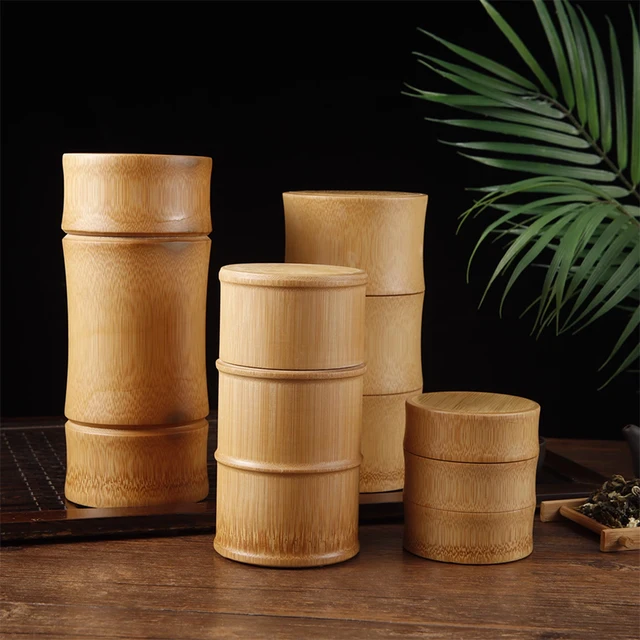
Lastly, consider wooden storage containers or utensils holders to keep your kitchen clean and organized. These eco-friendly options are not only attractive but can complement the overall aesthetic of your kitchen while ensuring your utensils are kept close at hand. Investing in these wooden essentials not only enhances your cooking experiences but also aligns with a sustainable lifestyle, making them true eco-friendly kitchen must-haves.
‘The future will be green, or not at all.’ – Barry Commoner
3. Sustainable Wood Choices for Kitchenware
When it comes to creating a warm and inviting kitchen, eco-friendly options can play a significant role. Choosing sustainable wooden kitchenware is not just about aesthetics; it’s a conscious decision that benefits our planet. Items like bamboo cutting boards, maple serving spoons, and walnut salad bowls add a touch of nature to your cooking space while being kind to the Earth. Bamboo, in particular, is a fantastic option because it grows rapidly and doesn’t require harmful pesticides. Maple is known for its durability and resistance to bacteria, making it a perfect choice for utensils that will see daily use. Additionally, walnut offers a rich hue and stunning grain patterns that can elevate any dining experience. By incorporating these wooden essentials into your kitchen, you’re not just choosing practicality; you’re embracing a lifestyle that values sustainability without sacrificing style. Let’s delve deeper into how these eco-friendly kitchen must-haves can enhance not only your cooking routine but also your environmental footprint.
4. Caring for Your Wooden Kitchen Essentials
When it comes to keeping your kitchen not only functional but also eco-friendly, wooden kitchen essentials are must-haves. Not only do they add a warm, rustic charm to your culinary space, but they’re also sustainable and durable. However, like any cherished item, these wooden tools and utensils require a little TLC to keep them looking their best and functioning properly.
First on the list is cleaning. After each use, wash your wooden cutting boards and spoons with gentle soap and warm water. Avoid soaking them, as prolonged exposure to moisture can warp the wood. A quick rinse and a soft scrub will usually do the trick. For stubborn stains or odors, a paste of baking soda and water can work wonders, or try rubbing half a lemon over the surface for a natural freshener.
Next, let’s talk about maintenance. To keep your wooden items from drying out or cracking, it’s essential to regularly apply food-safe mineral oil or beeswax. This not only nourishes the wood but also protects against bacteria, ensuring your kitchen essentials remain safe to use. Simply pour a small amount of oil onto a clean cloth and rub it into the wood, allowing it to soak in overnight for best results.
Also, store your wooden kitchen essentials properly. Avoid exposing them to direct heat (such as near the stove) and let them air out fully after washing to prevent moisture buildup. When not in use, consider keeping your wooden utensils in a dedicated jar or holder to reduce surface wear.
Lastly, remember that wood will naturally age over time, adding character and beauty to your kitchen items. Embrace the changing hues and textures—it’s all part of the charm! By caring for your wooden kitchen essentials, you not only extend their lifespan but also contribute to a more sustainable kitchen environment.
5. Eco-Friendly Alternatives to Plastic Kitchen Tools
In a world increasingly conscious of sustainability, embracing eco-friendly kitchen must-haves is not just a trend but a necessity. One of the most charming alternatives to plastic kitchen tools is wooden utensils. Not only do they bring warmth and beauty to your kitchen, but they also boast several advantages that make them a top choice for anyone looking to reduce their environmental footprint.
Durability and Longevity
Wooden kitchen tools, such as spoons, spatulas, and cutting boards, are incredibly durable. Crafted from quality hardwoods like bamboo, maple, or walnut, these utensils tend to withstand heat and resist wear better than their plastic counterparts. For instance, a well-maintained wooden spoon can last for generations, making it a practical investment for any home cook.
Natural Aesthetic
Beyond functionality, wooden utensils add a visual appeal that plastic simply can’t match. Their natural grain patterns and colors can complement your kitchen décor beautifully. A rustic wooden salad bowl or an elegantly carved teething spoon can elevate mealtime from ordinary to extraordinary, encouraging you to relish the experience of cooking and dining.
Safe and Chemical-Free
Many plastic kitchen tools contain harmful chemicals that can leach into food, especially when exposed to heat. In contrast, good-quality wooden utensils are free from these concerns. They’re safe for non-stick cookware, preventing scratches and maintaining the integrity of your pots and pans. Plus, they’re typically crafted from renewable resources, supporting a healthier planet.
Sustainability Matters
When choosing wooden items as eco-friendly kitchen must-haves, look for sustainably sourced wood or products certified by organizations like the Forest Stewardship Council (FSC). This not only ensures your utensils are environmentally friendly but also supports responsible forestry practices that promote forest health and biodiversity. Embracing this eco-conscious mindset in your kitchen will inspire others to consider their choices, too.
To truly harness the value of wooden kitchen essentials, consider incorporating a wooden cutting board, a set of wooden measuring spoons, and even a handcrafted wooden salad toss set into your routine. These practical tools can infuse your kitchen with a sense of homeliness while supporting a commitment to sustainability.
In summary, making the switch from plastic to wooden kitchen tools is a simple yet impactful step toward a more eco-friendly lifestyle. With their durability, safety, and aesthetic appeal, wooden utensils are not just practical—they’re a heartfelt nod to the environment as we create wonderful meals that nourish our bodies and our planet.
Frequently Asked Questions
What are the benefits of using wooden kitchen tools?
Wooden kitchen tools are durable, gentle on cookware, sustainable, and have natural antibacterial properties. They also provide a classic aesthetic appeal and do not scratch non-stick surfaces.
What essential wooden utensils should I have in my kitchen?
Essential wooden utensils include spoons, spatulas, cutting boards, and rolling pins. Each serves a unique purpose while being eco-friendly.
What types of wood are best for kitchenware?
Sustainable choices for kitchenware include bamboo, maple, beech, and cherry. These woods are known for their durability and low environmental impact.
How should I care for my wooden kitchen essentials?
To care for wooden kitchen tools, wash them with warm water and mild soap, avoid soaking, and regularly oil them with food-safe mineral oil to maintain their finish and prevent cracking.
What are eco-friendly alternatives to plastic kitchen tools?
Eco-friendly alternatives to plastic kitchen tools include bamboo utensils, silicone baking mats, stainless steel containers, and glass storage jars, all of which minimize plastic waste.