
In a world increasingly focused on sustainability, making eco-friendly choices has never been more important. One delightful way to reduce your environmental footprint is by swapping out everyday plastic and synthetic products for beautiful, functional wooden alternatives. Not only do these items warm your space with their natural charm, but they also invite a more mindful approach to consumption. Dive into the wonderful world of eco-friendly wooden alternatives for daily products, where each choice contributes to a healthier planet and enhances your everyday life.
Key Takeaways
- Eco-friendly wooden alternatives help reduce plastic waste.
- Choosing wooden products can enhance your sustainable lifestyle.
- Popular wooden daily products include utensils, toothbrushes, and containers.
- Sustainable sourcing ensures eco-friendly wooden products do not harm forests.
- Transitioning to a wooden-based lifestyle requires mindful purchasing and usage.
Introduction to Eco-Friendly Wooden Products
In today’s world, where sustainability takes center stage, eco-friendly wooden alternatives for daily products have become a favorite among mindful consumers. These products not only reduce our reliance on plastics but also add a touch of natural beauty to our everyday lives. Imagine sipping your morning coffee from a handcrafted wooden mug or using a stylish bamboo toothbrush. It’s these small changes that can transform our approach to daily habits, making them more environmentally responsible while keeping our living spaces warm and inviting. As we explore the many benefits and options of incorporating wooden products into our routines, you’ll discover how easy it is to make a positive impact.
Benefits of Choosing Wooden Alternatives
When it comes to making choices that benefit both our planet and our daily lives, eco-friendly wooden alternatives for daily products stand out as a superior option. Not only do these alternatives help reduce plastic waste, but they also offer a unique charm and durability that plastic items simply can’t match. For instance, consider switching to wooden utensils, which are not only biodegradable but can also enhance your cooking experience by providing a warm, natural aesthetic. Additionally, wooden storage containers can add an inviting touch to your kitchen while serving the practical purpose of keeping your food fresh longer than their plastic counterparts. By choosing wooden items, you not only embrace sustainability but also infuse your living space with a rustic elegance that resonates with nature. Plus, using these eco-friendly alternatives can lead to a healthier lifestyle, as they are often free from harmful chemicals found in many plastic products. Whether it’s a handcrafted wooden toothbrush or a set of bamboo straws, making the switch allows you to contribute to a greener world without sacrificing quality or style.
‘The greatest threat to our planet is the belief that someone else will save it.’ — Robert Swan
Popular Wooden Products for Daily Use
In recent years, the world has become increasingly aware of the environmental impact of our choices, leading many to seek eco-friendly wooden alternatives for daily products. Wooden items are not only sustainable but also bring warmth and a touch of natural beauty into our homes. From kitchenware to everyday accessories, here’s a look at some popular wooden products that can effortlessly replace their plastic counterparts.
Kitchen Essentials
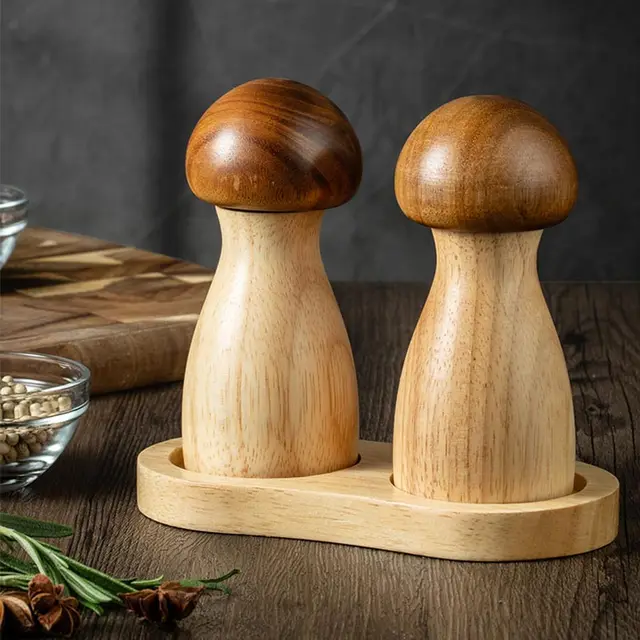
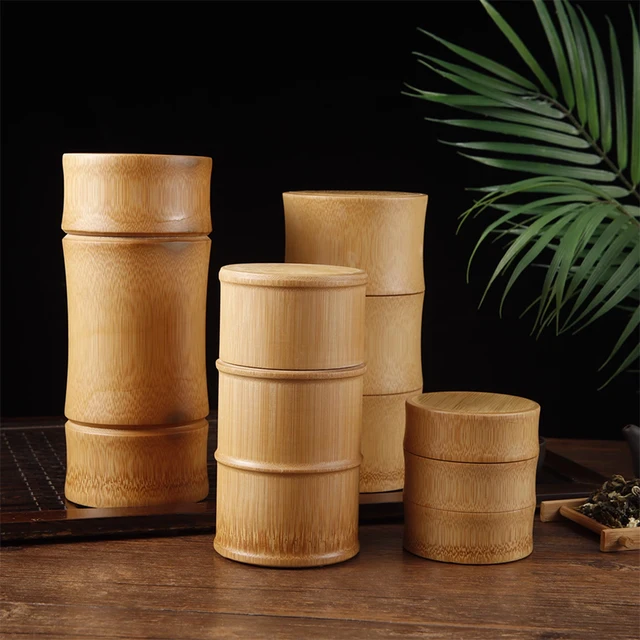
Start with your kitchen, where wooden utensils are taking center stage. A beautiful bamboo cutting board not only offers durability but also enhances your food prep experience. Wooden spoons and spatulas add a rustic charm to cooking, and they’re biodegradable at the end of their life cycle. Think about investing in wooden storage containers for pantry staples. They keep your food fresh and reduce plastic use at the same time.
Dining Setups
For dining, wooden plates and bowls can transform your meals into an elegant affair. They’re perfect for serving salads, sides, and even desserts. Many eco-conscious brands now offer biodegradable wooden plates for parties or picnics, which beautifully combine sustainability with style. Imagine inviting friends over for dinner where you proudly serve your culinary delights on handcrafted wooden dishes!
Home Décor
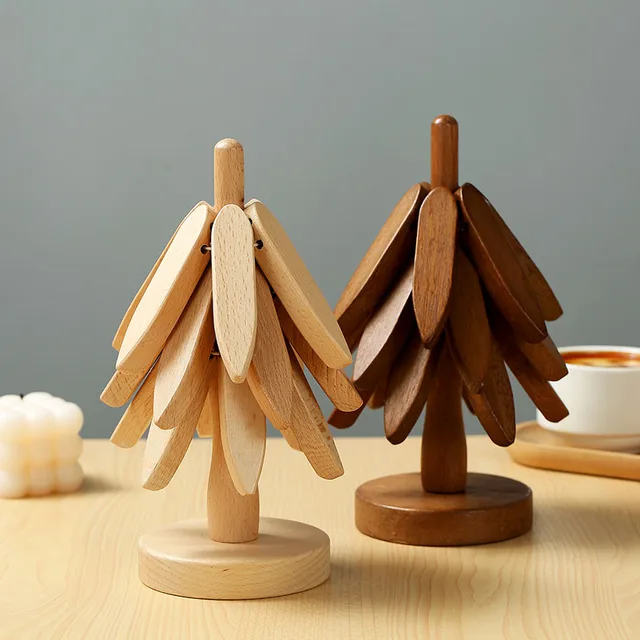
Wooden home accessories not only serve practical purposes but also double as stylish décor. Picture a crafted wooden clock or a set of rustic coasters adorning your coffee table. These accents introduce warmth and texture, making your space feel inviting. You might want to explore organic wood wall art too; it’s a unique way to express your personal style while embracing nature.
Personal Care Items
Don’t forget about personal care! Bamboo toothbrushes are an excellent switch from plastic, helping to reduce the staggering amount of disposable toothbrushes that end up in landfills each year. Wooden hairbrushes and combs are also fantastic eco-friendly wooden alternatives for daily products, reducing static and gently massaging the scalp as you groom.
Kids’ Toys
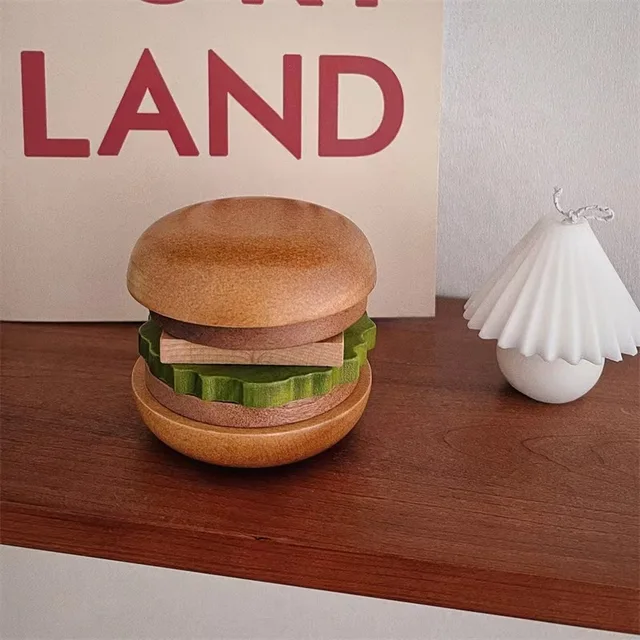
For parents, wooden toys are a wonder. They offer safe, non-toxic playtime options that stand the test of time. Think of building blocks or puzzles made from sustainable woods—perfect for sparking creativity in little ones while dodging the pitfalls of plastic toys. Plus, many wooden toys can become cherished keepsakes to pass down through generations.
Conclusion
The versatility and charm of eco-friendly wooden alternatives for daily products can enhance our everyday experiences while being kind to our planet. As you explore these options, consider what fits into your lifestyle and preferences. With a little creativity, incorporating wooden products into your routine can turn the mundane into something beautiful and sustainable, reminding us of the natural world that surrounds us.
Sustainable Sourcing and Production Practices
In the quest for sustainable living, eco-friendly wooden alternatives for daily products have emerged as an essential consideration. These alternatives provide a natural, biodegradable option that not only reduces our reliance on plastic but also supports responsible forestry practices. Imagine starting your day with bamboo toothbrushes, reusable wooden cutlery, and handcrafted wooden storage boxes. Not only do they add a touch of warmth and elegance to our lives, but they also contribute positively to the environment. Sourcing these products from suppliers who prioritize environmental stewardship ensures that every purchase embodies our commitment to sustainability. When companies choose to engage in sustainable practices like using reclaimed wood or sourcing materials from certified forests, they help preserve biodiversity and reduce waste. Opting for eco-friendly wooden products not only transforms our daily routines but also sends a message to manufacturers about the demand for responsible production. By incorporating these choices into our lives, we support a marketplace that values the planet as much as we do. Thus, embracing eco-friendly wooden alternatives is not just a trend; it represents a lifestyle that aligns with our values of conservation and mindfulness.
How to Transition to a Wooden-Based Lifestyle
Transitioning to a wooden-based lifestyle can feel like a refreshing breath of fresh air, especially as we become more mindful of the environmental impact of our choices. It’s a simple yet effective way to embrace sustainability, introducing eco-friendly wooden alternatives for daily products into your home. Imagine replacing those plastic utensils with smooth, natural wooden ones, or swapping out your synthetic toothbrush for a beautifully crafted bamboo option. Not only do these wooden products offer aesthetic appeal, but they also help reduce plastic waste and support sustainable forestry practices.
Start small by evaluating your kitchen tools: consider bamboo cutting boards, wooden serving dishes, or charcoal-infused utensils that bring a whole new level of enjoyment to cooking. In your bathroom, a durable wooden or bamboo toothbrush can make your dental routine more eco-conscious without sacrificing effectiveness. When it comes to home décor, wooden furniture pieces or handcrafted wooden wall art can enhance your living space and connect you with nature.
As you continue this journey, think about other areas of your life where you can integrate wooden elements. For example, children’s toys made from responsibly sourced wood can replace their plastic counterparts, promoting a healthier environment for your little ones. Furthermore, using wooden storage boxes or organizers not only keeps things tidy but also adds a touch of warmth and beauty to your home.
The key to successfully transitioning to a wooden-based lifestyle is gradual integration. Focus on one area of your life at a time, and start replacing items with eco-friendly wooden alternatives that resonate with you. You’ll soon find that even small changes contribute to a bigger impact on sustainability over time, leaving both your home and conscience feeling a little lighter every day.
Frequently Asked Questions
What are eco-friendly wooden alternatives?
Eco-friendly wooden alternatives are products made from sustainably sourced wood that serve as alternatives to traditional plastic or non-biodegradable items. These products reduce environmental impact and promote sustainability.
What are the benefits of choosing wooden products over plastic?
Choosing wooden products over plastic can reduce plastic waste, lower carbon footprints, and support sustainable forestry practices. Additionally, wooden products often have a longer lifespan and are biodegradable.
Can you give examples of popular wooden products for daily use?
Certainly! Some popular wooden products include wooden toothbrushes, kitchen utensils, cutting boards, reusable straws, and furniture. These products not only serve functional purposes but also add an aesthetic appeal to daily life.
How can I ensure the wooden products I buy are sustainably sourced?
Look for certifications such as FSC (Forest Stewardship Council) or other eco-labels that indicate sustainable sourcing. Additionally, research brands that prioritize ethical production practices and transparency in their supply chains.
What steps can I take to transition to a wooden-based lifestyle?
Start by replacing commonly used plastic items with wooden alternatives, such as utensils or storage containers. Gradually incorporate more wooden products into your home and practice recycling or repurposing plastic items to minimize waste.