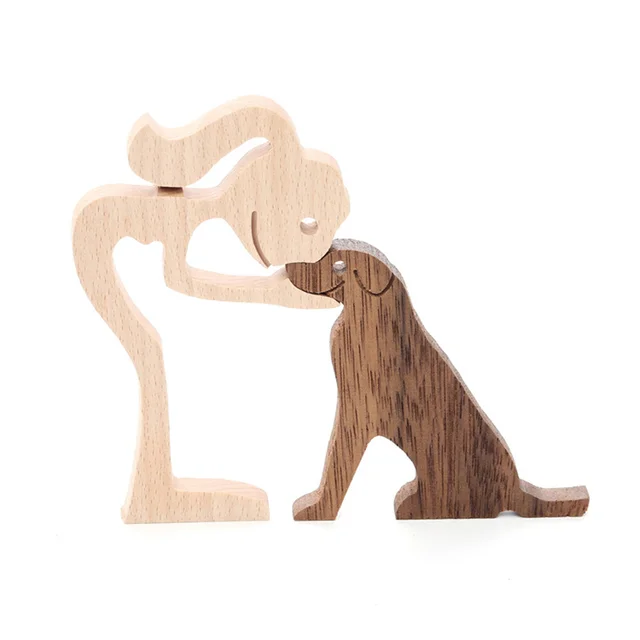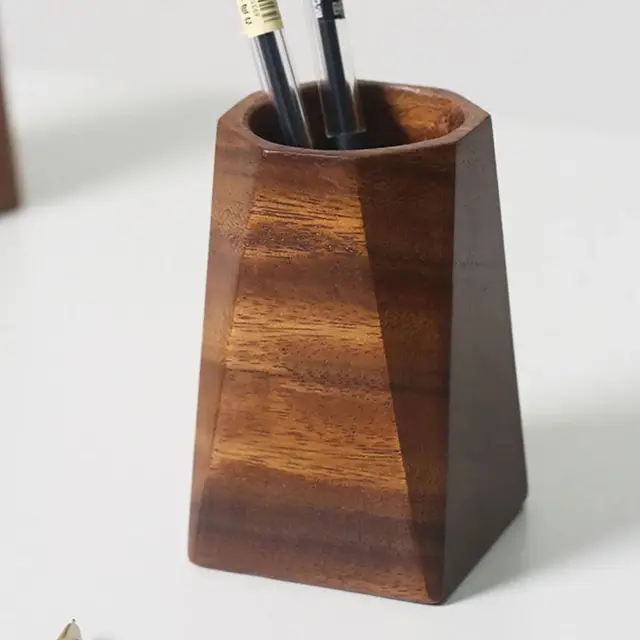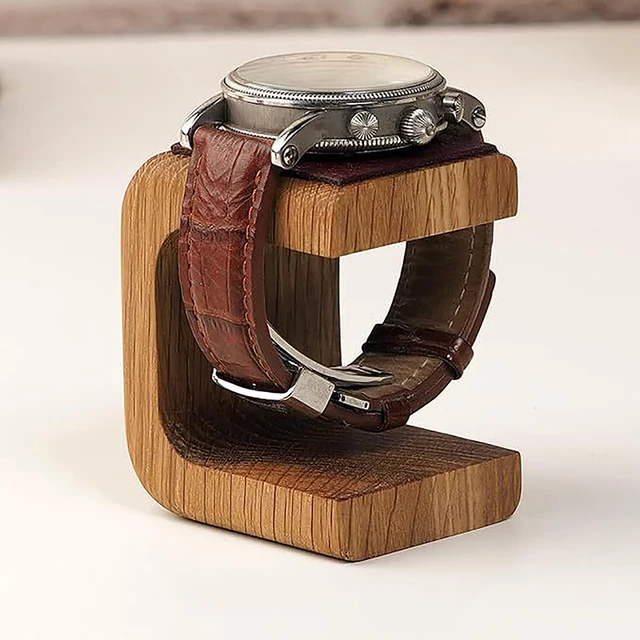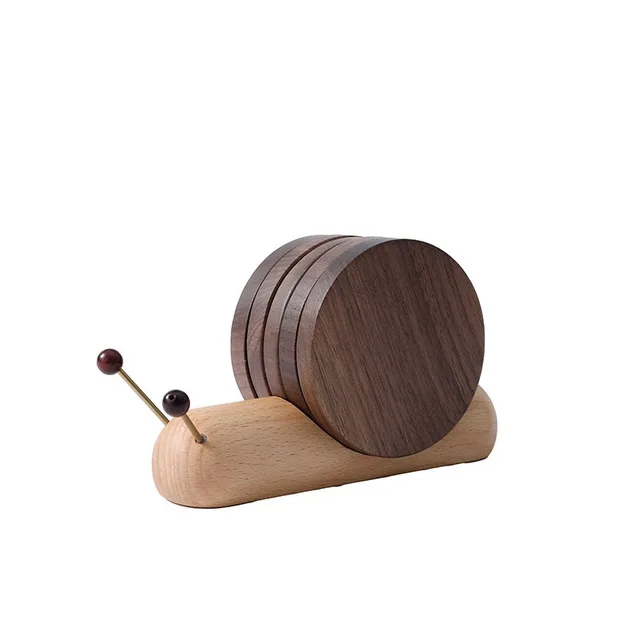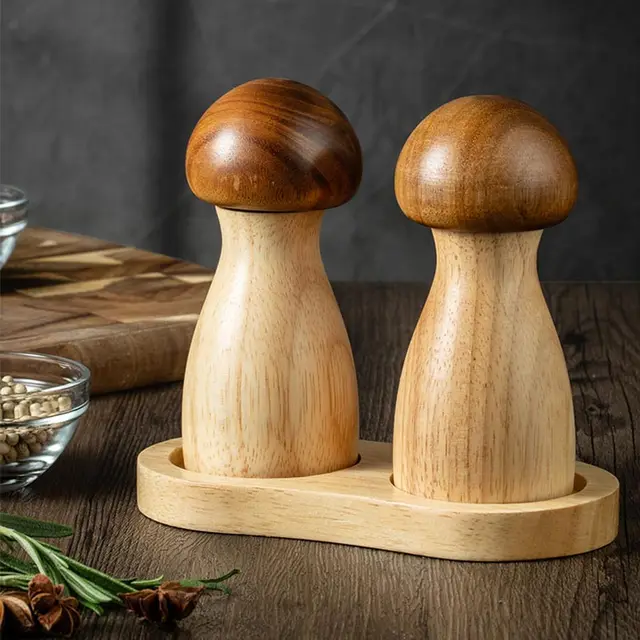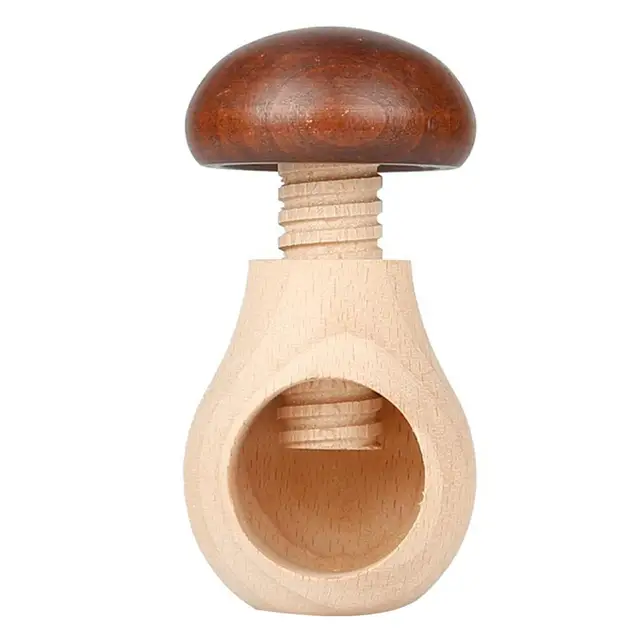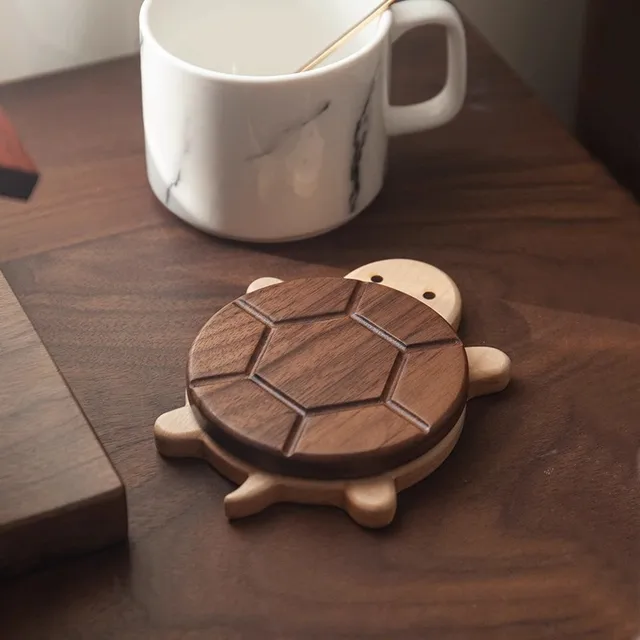
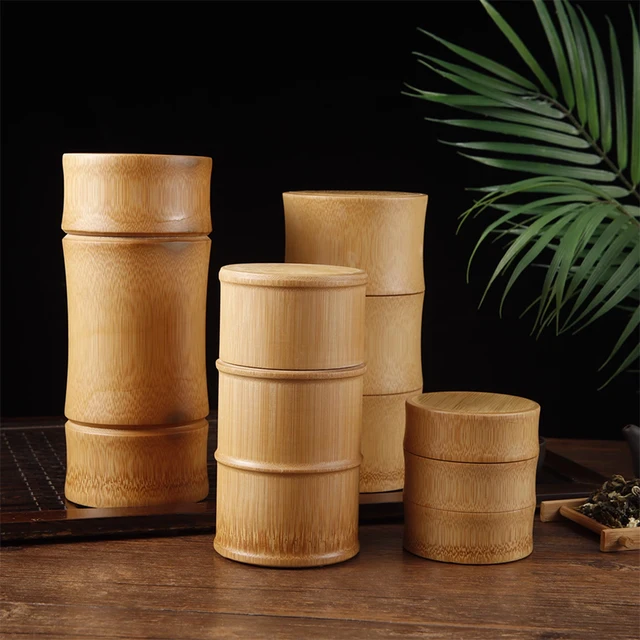
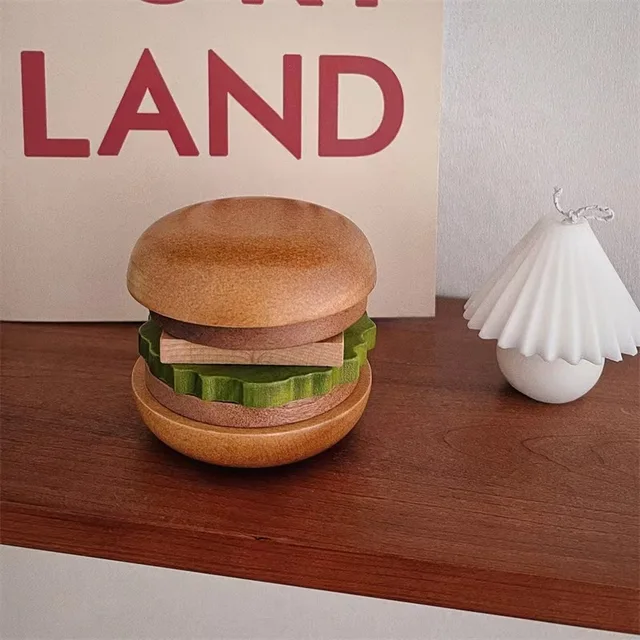

In a world full of mass-produced items, handmade wooden crafts stand out not just for their aesthetic appeal but also for their richness in meaning and value. Whether it’s a beautifully carved bowl, a rustic cutting board, or intricately designed furniture, each piece tells a story—immortalizing the skill and passion of the craftsman. But what truly makes these wooden treasures so valuable? Let’s embark on a journey to discover the artistry behind handmade wooden crafts and uncover the elements that elevate them above the ordinary.
Key Takeaways
- Handmade wooden crafts showcase unique artistry that reflects the creator’s skill and creativity.
- The choice of quality wood significantly impacts the durability and aesthetic value of wooden crafts.
- Craftsmanship techniques, such as carving and joinery, enhance both functionality and appeal of the finished products.
- Handmade wooden crafts often carry cultural and historical significance, making them treasures beyond their material value.
- The market for handmade wooden goods is growing, driven by a rising demand for unique, sustainable, and artisanal products.
The Artistry Behind Handmade Wooden Crafts
The world of handmade wooden crafts is rich in tradition and skill, offering a unique blend of functionality and artistry. What makes handmade wooden crafts so valuable is not just their aesthetic appeal; it’s the craftsmanship involved in creating each piece. Unlike mass-produced items, every handmade wooden craft tells a story. Artisans pour their heart and soul into their work, selecting wood types that will bring warmth and character to an item. For example, a wooden bowl carved from locally sourced walnut may feature beautiful grain patterns, each one different and unique. This individuality is part of what many people cherish about handmade wooden crafts. Additionally, these items often serve functional purposes, from beautifully designed furniture to delicate kitchen utensils. They bridge the gap between utility and art, making them not just products, but cherished pieces that enhance everyday life. Whether it’s a custom cutting board that brings joy to cooking or a thoughtfully crafted toy that sparks a child’s imagination, each item is infused with the artisan’s vision. Ultimately, the value of handmade wooden crafts lies in their ability to connect us to the natural world, evoke memories, and tell stories that resonate with our personal experiences.
Materials Matter: The Value of Quality Wood
When it comes to handmade wooden crafts, the materials used play a pivotal role in both their beauty and durability. Quality wood not only enhances the aesthetic appeal of each piece but also tells a story that mass-produced items simply can’t convey. Think about it: each grain, knot, and color variation in the wood speaks to its unique journey from the forest to your hands. This individuality brings a certain warmth and character to handmade creations, making them not just functional objects, but cherished pieces of art. Choosing high-quality hardwoods like oak, walnut, or cherry can elevate the value of your project, providing longevity and a timeless elegance that will stand the test of time. By investing in quality materials, artisans can ensure that their creations resonate with personal significance, fostering a deeper connection between the object and its owner. Whether it’s a beautifully carved vase, a sturdy cutting board, or an intricately designed jewelry box, the value of these handmade wooden crafts lies not just in their utility, but in the craftsmanship and the natural beauty of the wood itself.
‘The essence of craftsmanship lies in the artistry of the hands, the choice of the materials, and the heart that goes into each piece.’
Craftsmanship Techniques That Enhance Value
When it comes to handmade wooden crafts, the beauty lies not just in their aesthetics but also in the craftsmanship techniques that lend them unique character and value. Each piece is often a reflection of the artisan’s skill, dedication, and artistry. For instance, the technique of wood carving, where intricate designs are skillfully etched into the surface, adds a layer of depth and personality to the final product. Additionally, methods like joinery, which involves fitting pieces of wood together without the use of nails or screws, ensures longevity and durability, showcasing an age-old tradition that hails back to ancient craftsmanship.
Moreover, the choice of wood can play a significant role in determining value. Using hardwoods like oak or walnut not only enhances the appearance but also promises strength and resilience. Each type of wood carries its own story and character, making every piece of handmade wooden crafts truly one of a kind.
Artisans often incorporate techniques like finishing, where oils or stains highlight the natural grain of the wood, further elevating its aesthetic appeal. This careful attention to the finishing process ensures that each craft piece not only looks stunning but also feels warm and inviting, which resonates with potential buyers. By understanding and appreciating these craftsmanship techniques, consumers can truly value the effort and passion behind handmade wooden crafts.
Cultural and Historical Significance of Wooden Crafts
Wooden crafts have transcended generations, deeply rooted in cultures worldwide, and they bear a rich history that showcases human creativity and resourcefulness. When we speak of handmade wooden crafts: what makes them valuable? The answer lies in their cultural and historical significance, which adds layers of meaning to each piece.
Craftsmanship in wood has been an integral part of human civilization for centuries. From the ornate carvings of ancient temples to the simple wooden toys made for children, these items often reflect the social and economic conditions of their time. For instance, the intricately designed furniture of the Ming Dynasty not only served functional purposes but also symbolized status and artistic achievement. Such historical contexts enrich each handmade craft, transforming them from mere objects into powerful storytelling mediums.
Furthermore, traditional techniques passed down through generations have kept the art of woodcraft alive. Each artisan brings a unique touch, often embedding local customs and stories into their work. For example, the wooden masks of the Indigenous peoples of North America are not just decorative but also carry spiritual meanings and ancestral narratives, reminding us of their profound connection to the earth and their heritage.
Moreover, the appreciation for handmade wooden crafts has surged in recent years due to a growing shift towards sustainability. In a world increasingly inundated with mass-produced goods, handmade items stand as a testament to eco-friendly practices. They offer an alternative to synthetic materials, and each purchase supports local artisans, ensuring traditional techniques continue to thrive. This awareness of sustainability further enhances the value of handmade wooden crafts, making them not only beautiful additions to our lives but also a responsible choice that uplifts communities.
The Market for Handmade Wooden Goods: Trends and Demand
Handmade wooden crafts have carved out a special niche in the market, appealing to consumers seeking authenticity and connection in their purchases. In recent years, the growing emphasis on sustainability has brought a surge in demand for these unique items, as buyers increasingly value eco-friendly goods that are thoughtfully crafted. What sets handmade wooden goods apart is not just their aesthetic charm, but the story behind each piece. As artisans pour their skills and passion into each item, they create products that resonate on a personal level with customers. This trend is reflected in various markets, from home décor to functional kitchenware, where items like hand-carved cutting boards or intricately designed furniture can turn an ordinary space into a warm haven. The story, the craftsmanship, and the dedication behind handmade wooden crafts make them not just purchases but valued heirlooms, often passed down through generations. Engaging with these products brings consumers closer to the art of craftsmanship itself, forging a meaningful connection that mass-produced items simply cannot replicate.
Frequently Asked Questions
What types of materials are best for handmade wooden crafts?
The best materials for handmade wooden crafts are high-quality woods such as walnut, cherry, oak, and maple. These hardwoods provide durability and aesthetic appeal, enhancing the overall value of the crafts.
How does craftsmanship affect the value of wooden crafts?
Craftsmanship plays a crucial role in determining the value of wooden crafts. Skilled techniques such as joinery, finishing, and detailing not only showcase the artisan’s expertise but also contribute to the longevity and beauty of the piece.
What cultural significance do handmade wooden crafts hold?
Handmade wooden crafts often carry deep cultural and historical significance as they reflect the traditions, values, and artistry of specific communities. These pieces can tell stories of the past and preserve cultural heritage.
How is the market demand for handmade wooden crafts evolving?
The market for handmade wooden crafts is seeing a rise in demand as consumers increasingly value unique, sustainable, and locally sourced items. Trends indicate a preference for artisanal goods over mass-produced items, benefiting craftspeople.
What factors should I consider when purchasing handmade wooden crafts?
When purchasing handmade wooden crafts, consider the quality of materials, the craftsmanship involved, the artist’s background, and the cultural significance of the piece. Authenticity and uniqueness can significantly enhance value.