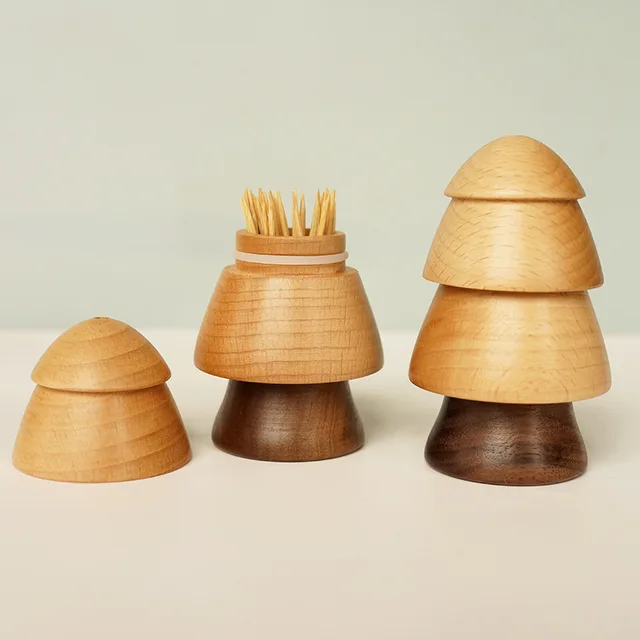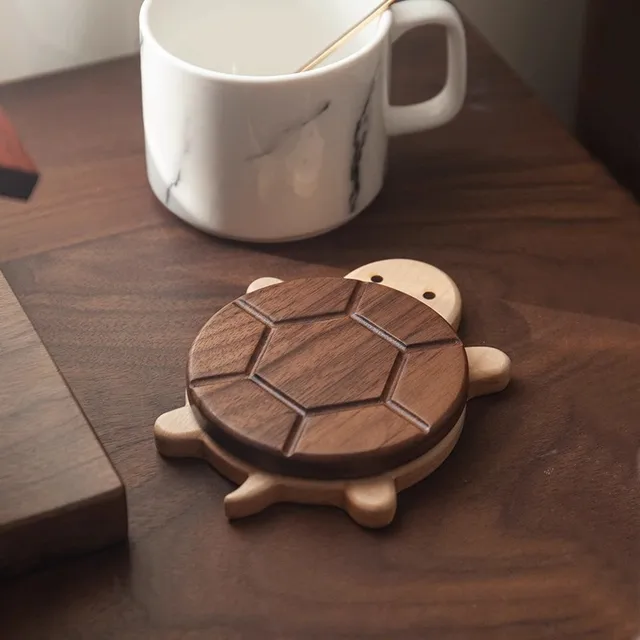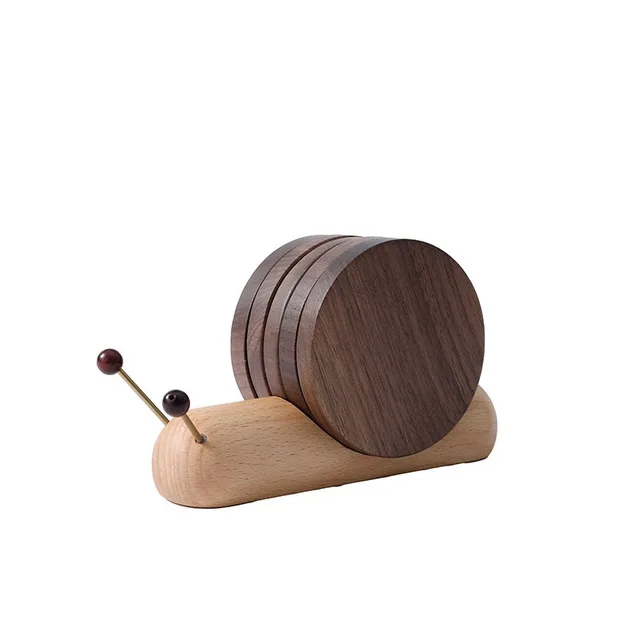
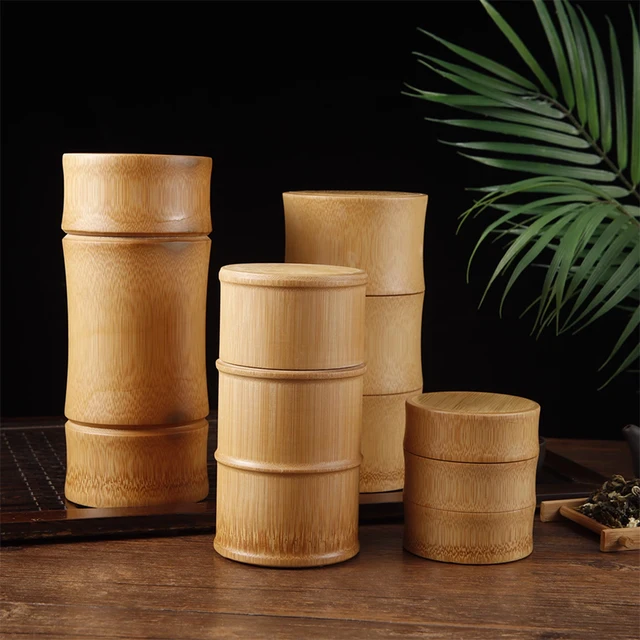

Choosing the right wooden kitchen accessories can elevate your culinary experience while adding a touch of warmth and elegance to your space. But with so many options available, how do you know which pieces will stand the test of time? In this guide, we’ll walk you through everything you need to know when selecting durable wooden kitchen accessories, from understanding different wood types to choosing finishes that enhance longevity. Get ready to dive into the world of beautiful, functional kitchenware!
Key Takeaways
- Selecting the correct wood type is crucial for durability and functionality of kitchen accessories.
- Look for quality craftsmanship to ensure longevity and reliability in wooden items.
- Consider the maintenance requirements of different wood types to keep your accessories in top condition.
- Sustainability should be a factor when choosing wood, supporting eco-friendly practices in your kitchen.
- The right finish can enhance the durability and appearance of wooden kitchen accessories.
Understanding Wood Types for Kitchen Accessories
Choosing the right wooden kitchen accessories can significantly enhance your cooking experience while adding a beautiful touch to your kitchen. However, with so many wood types available, it can be overwhelming to figure out which ones are the best for durability and functionality. Hardwoods like maple, walnut, and cherry are excellent choices due to their strength and resistance to wear and tear. For instance, maple cutting boards are well-known for their durability and can withstand heavy knife use without warping. On the other hand, walnut offers a rich grain and color that ages beautifully, making it perfect for serving trays or charcuterie boards. Additionally, cherry wood not only looks stunning but also has a natural ability to resist bacteria, making it ideal for kitchen utensils. When selecting wooden kitchen accessories, it’s essential to consider how often you’ll be using them and in what capacity—knowing the characteristics of each wood type will guide you towards making an informed decision on how to choose durable wooden kitchen accessories.
Identifying Quality Craftsmanship
When it comes to selecting wooden kitchen accessories, understanding how to choose durable wooden kitchen accessories is paramount. Start by examining the type of wood used in the item. Hardwoods like maple, cherry, and oak are often the best choices, as they tend to withstand wear and tear better than softer woods. Look for items that have a smooth finish, indicating careful sanding and sealing to protect against moisture and stains. Additionally, check for solid joinery instead of glued parts—dovetail joints or mortise-and-tenon connections are signs of quality workmanship. It’s also wise to notice the weight of the item; heavier pieces often signal denser wood, which usually translates to longevity. Remember, a little inspection can lead you to kitchen accessories that will serve you well for years, bringing both function and beauty to your culinary space.
‘The bitterness of poor quality remains long after the sweetness of low price is forgotten.’ – Benjamin Franklin
Evaluating Durability and Maintenance
When it comes to choosing wooden kitchen accessories, durability and maintenance are key factors that can influence both your cooking experience and the longevity of your items. First, consider the type of wood used in your accessories; hardwoods like maple, oak, and cherry are often more resilient and can withstand the rigors of daily use. Softwoods, while beautiful, may not hold up as well in high-impact situations, so it’s wise to avoid them for items like cutting boards and utensils.
After selecting the right wood, think about how you’ll maintain your wooden pieces. Regular oiling with food-safe mineral oil can help preserve the natural beauty of the wood while providing a protective barrier against moisture. This simple act can significantly extend the life of your chosen accessories and keep them looking fresh over the years.
Lastly, consider the design and function of each item. For example, a wooden spoon is not just a stunning addition to your kitchen; when designed well, it can be exceptionally durable for mixing and stirring, especially when it’s crafted from a solid piece of wood. By paying attention to these aspects, you’ll not only know how to choose durable wooden kitchen accessories but also have a kitchen filled with beautiful, functional items that stand the test of time.
Sustainability Considerations in Wood Selection
When it comes to selecting wooden kitchen accessories, sustainability should be at the forefront of your decision-making process. Choosing durable wooden kitchen accessories not only brings a touch of warmth and natural beauty to your home, but it also supports eco-friendly practices. Firstly, consider the source of your wood. Opt for accessories made from sustainably harvested timber, like bamboo, maple, or oak, which are known for their sturdiness and resistance to wear and tear. Additionally, look for certifications such as FSC (Forest Stewardship Council) to ensure the wood has been sourced responsibly. It’s equally important to think about the lifespan of the products; choosing high-quality items that resist cracking and warping means you won’t need to replace them frequently, which ultimately reduces waste. Furthermore, consider accessories that are easy to maintain and care for—this could mean choosing a wooden cutting board that you can easily oil and restore, extending its life significantly. In essence, not only are you enhancing your kitchen with beautiful, functional items, but you’re also making a positive impact on the planet by being mindful of the materials you choose.
Choosing the Right Finish for Longevity
When it comes to wooden kitchen accessories, choosing the right finish is crucial not just for aesthetics but also for durability. The finish you select will determine how well your items withstand the daily grind of cooking, cleaning, and storage. Think about the tasks your wooden spoons, cutting boards, or serving trays will face. For instance, if you’re opting for a cutting board, you might want to consider mineral oil or a food-safe varnish, as they create a barrier against moisture and bacteria while enhancing the wood’s natural beauty. Meanwhile, for items that see less wear, like decorative bowls, a simple beeswax finish can offer a lovely sheen without the need for heavy protection. Always remember: the best finishes not only look good but also help ensure that your kitchen accessories last, making them a smart investment in your cooking space.
Frequently Asked Questions
What types of wood are best suited for kitchen accessories?
Hardwoods such as maple, cherry, and walnut are excellent choices for kitchen accessories due to their density, resistance to scratches, and durability.
How can I identify quality craftsmanship in wooden kitchen accessories?
Look for smooth finishes, clean edges, and tight joints. Handcrafted items often showcase unique details, while mass-produced pieces may have imperfections.
What maintenance do wooden kitchen accessories require to ensure durability?
Regularly clean wooden accessories with mild soap and water, avoid soaking them, and apply food-safe oils or waxes periodically to maintain their finish.
Are there sustainable wood options for kitchen accessories?
Yes, consider sourcing wood from certified sustainable forests or using reclaimed wood, which minimizes environmental impact and promotes responsible forestry practices.
What type of finish should I choose for my wooden kitchen accessories?
Opt for food-safe finishes such as mineral oil, beeswax, or specific wood treatments designed for kitchen use, as they help protect against moisture and enhance longevity.