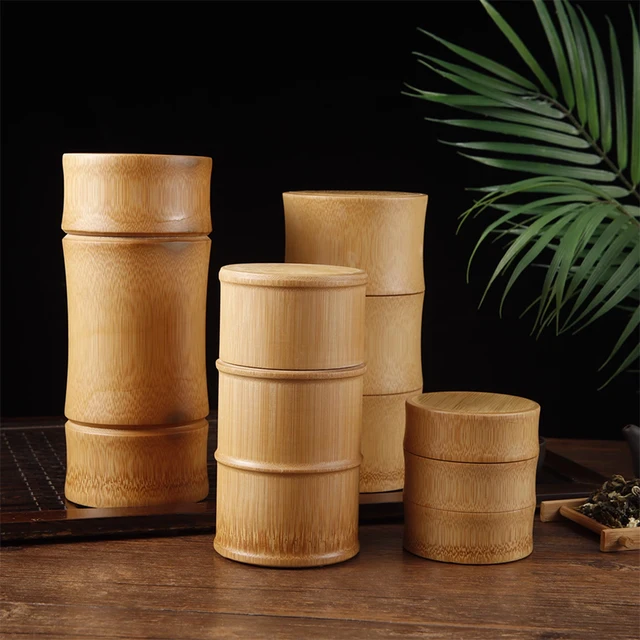
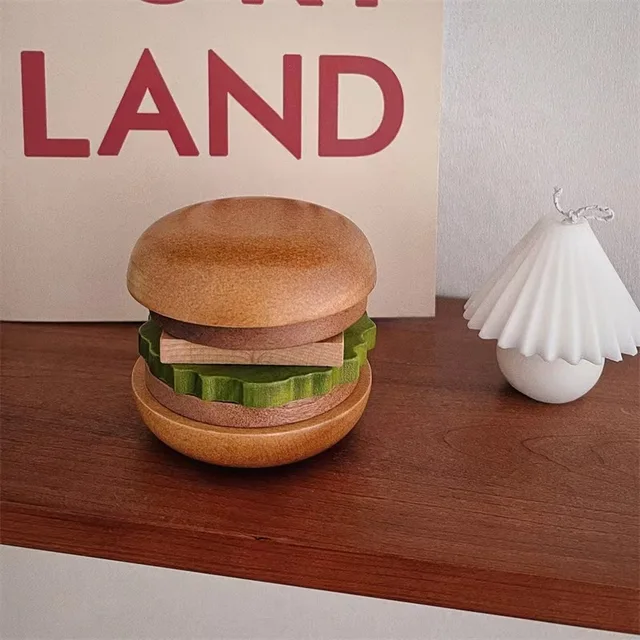

In a world that’s becoming increasingly aware of environmental issues, the quest for sustainable living has never been more vital. Eco homes are at the forefront of this movement, offering a harmonious blend of comfort and sustainability. If you’re considering building or renovating a home that’s kinder to the Earth, you may be wondering: why bamboo and wood are the best materials for eco homes? These two materials not only boast impressive credentials for sustainability but also bring warmth, character, and charm to any space. Let’s explore the unique benefits of bamboo and wood, and how they can create a healthier, more eco-friendly living environment.
Key Takeaways
- Bamboo is a highly renewable resource, making it an excellent choice for sustainable construction.
- Wood provides durability and insulation, enhancing energy efficiency in eco homes.
- Both bamboo and wood contribute to lower carbon footprints compared to traditional building materials.
- Bamboo grows rapidly and can be harvested in a few years, whereas wood typically takes decades.
- Choosing bamboo and wood supports eco-friendly living and reduces environmental impact.
Introduction to Eco Homes
When it comes to building an eco-friendly home, the materials you choose make all the difference. Among the vast selection available today, bamboo and wood stand out as perhaps the best options for anyone aspiring to create a sustainable habitat. These renewable materials not only embody a connection to nature but also offer a plethora of benefits that enhance both the environmental impact and the aesthetic appeal of your home. In this article, we’ll explore why bamboo and wood are the best materials for eco homes and how integrating them can transform your living space into an eco-conscious haven.
The Benefits of Bamboo as a Building Material
When it comes to creating eco-friendly homes, understanding the benefits of bamboo as a building material is essential. Bamboo is a remarkable plant that grows incredibly fast—sometimes up to three feet in a single day—making it one of the most renewable resources on our planet. This rapid growth means that bamboo can be harvested sustainably without depleting the environment, a key factor in why bamboo and wood are the best materials for eco homes. Not only does it require minimal pesticides or fertilizers, but bamboo also captures carbon dioxide, helping to reduce our overall carbon footprint. Additionally, bamboo boasts impressive strength, often compared to steel, adding durability without the environmental cost associated with traditional lumber. Its natural aesthetic brings warmth and beauty to any space, combining functionality and style. By choosing bamboo, homeowners can contribute to a healthier planet while enjoying a sustainable and resilient living environment.
‘Nature does not hurry, yet everything is accomplished.’ – Lao Tzu
The Advantages of Using Wood in Construction
When considering eco-friendly construction materials, the conversation often gravitates towards the benefits of bamboo and wood. These organic materials aren’t just aesthetically pleasing; they also bring a wealth of advantages that contribute to sustainable building practices. One major reason why bamboo and wood are the best materials for eco homes is their renewability. Both materials grow abundantly and can be harvested responsibly, minimizing environmental impact. Bamboo, in particular, grows extraordinarily fast—it can reach maturity in just three to five years, while traditional hardwood trees can take decades. This rapid growth cycle means that once harvested, bamboo can quickly regenerate, making it a prime candidate for green building.
Moreover, both wood and bamboo are known for their impressive thermal insulation properties. They naturally regulate indoor temperatures, leading to reduced energy consumption for heating and cooling. A well-designed eco home utilizing wooden beams and bamboo panels can maintain a comfortable climate with less reliance on artificial heating or cooling systems. This is not only better for the planet, but it also translates to lower energy bills for homeowners.
In addition to energy efficiency, wood and bamboo are also breathable materials. They can absorb and release moisture, fostering a healthier indoor environment by regulating humidity levels. This is crucial for mold prevention and maintaining air quality, especially in homes situated in more humid climates.
The natural beauty of wood and bamboo adds an aesthetic appeal to any eco home. The variety in textures, colors, and finishes provides endless design possibilities, creating spaces that feel warm and inviting. From sleek bamboo countertops to rustic wooden beams, these materials help transform a house into a home, marrying function and style beautifully.
Lastly, using locally sourced wood and bamboo can considerably reduce the carbon footprint associated with transporting materials. Choosing local options not only supports regional economies but also ensures a fresher product with a smaller impact on the environment.
In conclusion, adopting bamboo and wood for eco homes brings a wealth of benefits—from sustainability and energy efficiency to aesthetic appeal and health advantages. It’s clear that these materials are not just a fleeting trend; they represent a thoughtful approach to building that prioritizes the well-being of our planet and its inhabitants.
Bamboo vs. Wood: A Comparative Analysis
When it comes to building eco-friendly homes, choosing the right materials is crucial. Bamboo and wood have emerged as two of the top contenders, each with their unique characteristics and sustainable benefits. Before diving into their differences, let’s first get a sense of why bamboo and wood are the best materials for eco homes. Both are renewable resources, offer thermal insulation, and possess natural beauty that can enhance any living space.
### Sustainability of Bamboo and Wood
Bamboo is often celebrated for its rapid growth—some species can grow up to 91 centimeters in a single day! This means that bamboo can be harvested every three to five years without depleting the resource, making it incredibly sustainable. Wood, on the other hand, typically requires decades to mature. However, when sourced from responsible forestry practices, such as FSC-certified timber, wood can also be a viable eco-friendly option. The key is understanding the sourcing; both materials can revolutionize the eco-home space, provided they’re harvested responsibly.
### Strength and Durability
In terms of strength, bamboo tends to be stronger than many woods, often compared to steel in its tensile strength. This means that bamboo structures can withstand considerable weight, making them an excellent choice for building frameworks or flooring. Wood, while generally strong, varies greatly between species. Hardwoods like oak or maple are durable for furniture and beams, while softwoods like pine may be used for non-structural applications. If you’re considering wooden items for daily use, opting for hardwood will likely provide longevity and resilience in your home.
### Aesthetic Appeal
Another factor to consider is aesthetics. Both bamboo and wood bring a warm, natural look to any environment. Bamboo has a unique texture that can give a modern twist to traditional designs. Imagine bamboo flooring in your living room, lending an earthy ambiance while remaining environmentally conscious. Wood, with its rich grains and variations in color, offers a classic appeal that can suit any style—from rustic to contemporary. Whether it’s a solid ash dining table or walnut cabinets, wood can provide a lasting charm that enriches your home’s character.
### Cost Considerations
When comparing costs, bamboo tends to be more affordable than hardwoods. This is partly due to its swift growth cycle and lower processing requirements. However, when looking at mid-range softwoods, like cedar or fir, you might find a more balanced comparison. While upfront investment is crucial, consider the long-term benefits of durability and maintenance. Investing in quality materials, whether bamboo or wood, will save you costs down the road.
### Practical Uses in Eco Homes
Both bamboo and wood can find numerous applications in eco homes. Bamboo is increasingly used for everything from flooring to cabinetry and even textiles. Its versatility makes it suitable for various usages, depending on the design. Wood, too, finds its place in structural support, cabinetry, finishing touches, and furniture. Think about incorporating wooden items, such as a charming oak bookshelf or a handcrafted maple coffee table, into your living space. Not only do they serve a functional purpose, but they also help establish a commitment to sustainability in your everyday life.
### Conclusion: Choosing the Right Material for Your Eco Home
Ultimately, whether you choose bamboo or wood for your eco-home depends on your specific needs and aesthetic preferences. Both materials present impressive sustainable benefits and practical utility. By selecting responsibly sourced wood or fast-growing bamboo, you can contribute to a healthier planet while creating a beautiful living environment. Remember to consider durability, cost, and style while making your choice, and you’ll find the perfect balance for your eco-friendly sanctuary.
### FAQ
1. Is bamboo more sustainable than wood?
Yes, bamboo grows much faster than most trees, allowing it to be harvested more frequently. Its rapid growth makes it a highly sustainable material.
2. How do I know if the wood I purchase is eco-friendly?
Look for certifications like FSC (Forest Stewardship Council) that ensure wood is sourced from responsibly managed forests.
3. Can bamboo be used for structural purposes?
Yes, bamboo’s high tensile strength makes it suitable for various structural applications, including beams and flooring.
4. What are some simple wooden items to incorporate into my home?
Consider items like wooden furniture, cutting boards, and utensils, which add warmth and sustainable charm.
5. What maintenance do bamboo and wooden items require?
Bamboo and wood should be regularly cleaned and occasionally treated with oil or protective coatings to preserve their appearance and durability.
Conclusion: Choosing Sustainable Materials for Eco-Friendly Living
In conclusion, choosing sustainable materials like bamboo and wood for eco-friendly living is an essential step towards creating a healthier planet and a more sustainable future. Bamboo, with its incredible fast growth rate and renewability, offers a robust and stylish alternative to conventional materials. It’s not just durable; it provides an enchanting aesthetic that elevates any home decor. Similarly, wood, particularly reclaimed or responsibly sourced varieties, embodies warmth and charm while being renewable if managed correctly. By integrating bamboo and wood into your home, you’re making a conscious choice that not only benefits the environment but can also enhance your lifestyle. Whether you’re considering new furniture or entire building materials, the eco home movement beckons a thoughtful approach to our choices, advocating for materials that tell a story of sustainability, beauty, and health. Let’s embrace these wonderful materials and contribute positively to our world.
Frequently Asked Questions
What are the primary benefits of using bamboo in eco homes?
Bamboo offers several benefits, including rapid growth, high strength-to-weight ratio, and biodegradability. Its sustainability makes it an excellent choice for eco-friendly construction.
How does wood compare to bamboo in terms of environmental impact?
While both materials are sustainable, wood can take longer to grow compared to bamboo. However, responsibly sourced wood is also renewable and can contribute to carbon sequestration when harvested sustainably.
Can bamboo and wood be used interchangeably in construction?
While both materials have their unique properties, they are not completely interchangeable. Bamboo is often preferred for flexibility and lightweight structures, while wood is favored for strength and durability in more traditional applications.
What factors should I consider when choosing between bamboo and wood for my eco home?
Consider factors such as local availability, cost, climate, aesthetics, and the specific structural needs of your project. Assessing the environmental credentials of the suppliers is also crucial.
Is it possible to combine bamboo and wood in eco home construction?
Yes, combining bamboo and wood can enhance the benefits of both materials, allowing for flexible designs and improved sustainability. A thoughtful integration can maximize the strengths of each material.