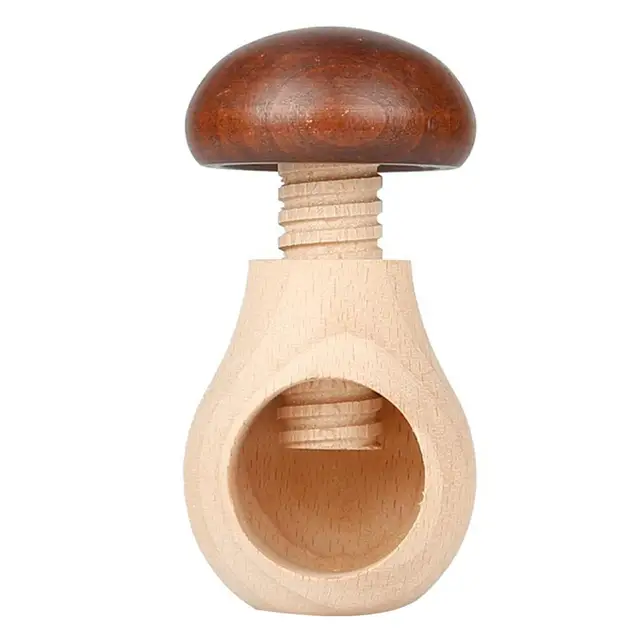
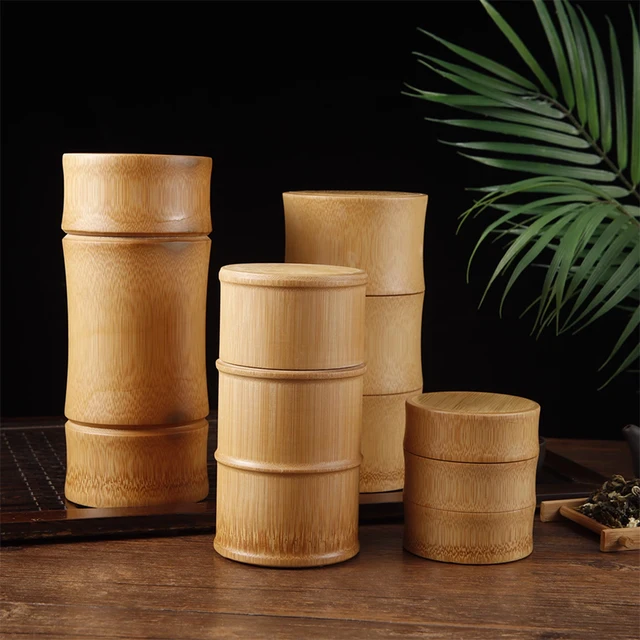
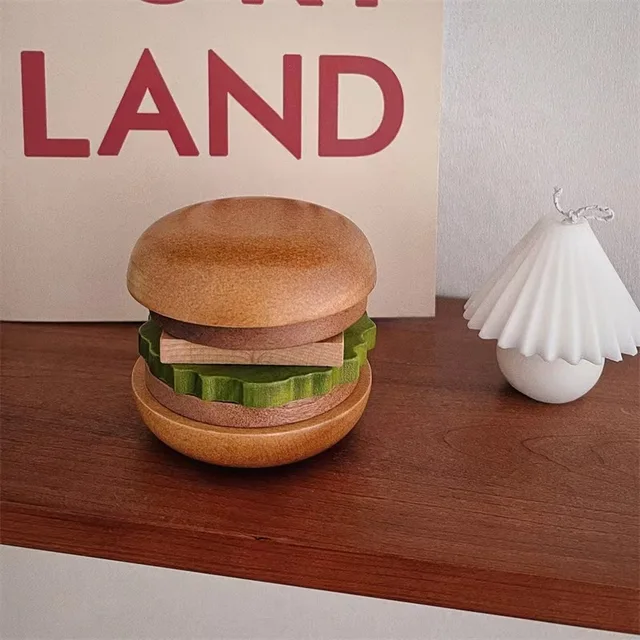

When it comes to equipping your kitchen, the choice of utensils often boils down to materials, with wooden tools and metal options being the most prevalent. But have you ever stopped to consider why wooden kitchen tools might just be the unsung heroes of your culinary adventures? In this guide, we’ll explore the delightful world of wooden kitchen tools, unearthing their many advantages while shedding light on the limitations of their metal counterparts. By the end, you’ll understand not only why wooden kitchen tools are better than metal but also how to care for them to ensure they last a lifetime.
Key Takeaways
- Wooden kitchen tools are gentler on non-stick surfaces compared to metal tools.
- They provide a natural aesthetic that many find appealing in the kitchen.
- Wooden tools are less likely to conduct heat, making them safer to handle.
- Proper care can significantly extend the lifespan of wooden kitchen utensils.
- Wooden tools are often more environmentally friendly and sustainable than their metal counterparts.
Introduction to Kitchen Tools: Wood vs. Metal
When it comes to outfitting your kitchen, the choice of utensils can make a world of difference. Many home chefs face a crucial decision: wood or metal? While both materials have their merits, let’s take a deeper dive into why wooden kitchen tools are often seen as superior. In this full guide, we’ll explore the unique benefits of wood, the practical applications, and what you should consider when selecting tools for your kitchen.
Advantages of Wooden Kitchen Tools
Wooden kitchen tools, such as spatulas, spoons, and cutting boards, boast a range of advantages that make them a favorite among home cooks and professional chefs alike. Firstly, the tactile quality of wood adds a warmth and charm that can elevate any cooking experience. Unlike metal tools, which can conduct heat and become uncomfortably hot, wooden utensils remain cool to the touch, ensuring safe and comfortable handling during high-temperature cooking. Additionally, wood’s natural non-reactive properties keep it from altering the taste of your food, allowing ingredients to shine without interference, which is especially useful when working with acidic foods like tomatoes or vinegar. Furthermore, wooden tools are gentle on your cookware; they won’t scratch non-stick surfaces or damage delicate ceramics. The durability of high-quality wooden kitchen tools is another compelling reason to choose them—they can last for years, and with proper care, they can even be passed down through generations. Not to mention, wooden utensils require less frequent replacement compared to their metal counterparts, offering a more sustainable choice. So, if you’re wondering why wooden kitchen tools are better than metal, consider their warmth, safety, gentleness, durability, and eco-friendliness. Engaging with wood as a material not only enriches your cooking experience but also fosters a deeper connection to the craft of cooking.
‘The best tools are the ones you can feel good about using—those that connect you to your craft and the ingredients themselves.’
Disadvantages of Metal Kitchen Tools
When it comes to equipping our kitchens, the tools we choose can significantly impact our cooking experience. While metal utensils are a common choice, they come with drawbacks that may steer you towards wooden kitchen tools. In this section, we’ll explore some disadvantages of metal kitchen tools, and why wooden kitchen tools are better than metal. First and foremost, metal utensils can conduct heat rapidly, leading to burns or discomfort when handling pots and pans. Additionally, they can scratch non-stick surfaces, reducing the lifespan of your cookware. Over time, metal tools can also become dingy or develop oxidation, especially if exposed to moisture. Contrast this with wooden tools—more often than not, they remain sturdy, hypoallergenic, and do not retain heat, making them a safer option for your cooking adventures.
Wooden utensils have the added benefit of being gentle on all types of cookware. When mixing, stirring, or serving, wooden spoons glide smoothly across surfaces without the risk of scratching. This feature makes them ideal for everything from a delicate ceramic casserole to your beloved non-stick baking sheets. Furthermore, wooden tools are not only functional but beautiful, often adding a rustic charm that metal simply can’t match. So next time you reach for a spatula or a spoon, consider how wooden kitchen tools could not only enhance your cooking performance but also contribute to a more enjoyable kitchen environment!
Best Uses for Wooden Kitchen Tools
Wooden kitchen tools have long been treasured in homes around the world, and for a good reason. When we consider why wooden kitchen tools are better than metal, we generally think of their warmth, aesthetics, and functionality. For starters, wooden utensils are gentle on our cookware. Unlike metal tools that can scratch and damage non-stick surfaces, wooden spoons, spatulas, and ladles are much kinder, ensuring our pots and pans have a longer life.
One of the best uses for wooden kitchen tools is stirring thick soups and stews. The sturdy, robust nature of wood allows it to withstand high temperatures without warping, making it a perfect partner for your favorite recipes. If you enjoy baking, a wooden rolling pin is indispensable for rolling out dough evenly without sticking; plus, it maintains a consistent temperature that promotes better results.
Wooden tools also lend a rustic charm to your kitchen, blending beautifully with natural elements. Think of a handcrafted wooden salad bowl, perfectly complemented by a set of wooden serving spoons. These items not only serve functional purposes but also enhance the aesthetic appeal of your dining experience.
Let’s talk about maintenance. Wooden kitchen tools are surprisingly easy to care for. With just a bit of soap and warm water, plus an occasional rub with mineral oil, these tools can last a lifetime. This simple upkeep ensures that your wooden spoons and cutting boards stay looking beautiful and performing well, which is just another reason why they hold the edge over metal tools.
Care and Maintenance of Wooden Kitchen Tools
When it comes to equipping your kitchen, choosing the right tools can make a significant difference in your cooking experience. Many home chefs are surprised to discover just how beneficial wooden kitchen tools can be. This guide will delve into why wooden kitchen tools are better than metal, highlighting their advantages, care, and maintenance to help you appreciate these timeless essentials in your culinary journey.
### Benefits of Wooden Kitchen Tools
Wooden kitchen tools hold a special place in many kitchens, and for good reason. First and foremost, they are gentle on cookware. If you’ve ever scratched a non-stick pan with a metal spoon, you know that wooden utensils can save your cookware from wear and tear. The smooth surface of wood ensures that your beloved pots and pans stay in pristine condition, allowing for longer use and better cooking results.
Moreover, wooden utensils naturally resist bacteria growth. Unlike porous materials such as plastic, wood has inherent antimicrobial properties that can reduce the risk of cross-contamination. This makes wooden spoons and cutting boards not only safer but also more hygienic options for food preparation.
Another point worth considering is the aesthetic appeal. Beautifully crafted wooden spoons, spatulas, and boards can add a warm and rustic charm to your kitchen décor. They have a timeless look that can complement any design, from modern to traditional. Plus, using natural materials can create a cozy atmosphere that encourages creativity and enjoyment in cooking.
### Practical Care Tips for Wooden Kitchen Tools
To keep your wooden kitchen tools in great shape, a bit of care and attention goes a long way. Here are some practical tips:
1. Hand Wash Only: Avoid putting wooden tools in the dishwasher, as the high heat and moisture can warp the wood. Instead, wash them by hand with mild soap and warm water. This will help maintain their integrity and prevent cracking.
2. Dry Immediately: After washing, make sure to dry your wooden tools right away. Leaving them in water or allowing them to air-dry can lead to warping or splitting.
3. Oil Regularly: Natural oils like mineral oil or a food-safe wood conditioner are excellent for keeping your wooden tools nourished. A regular oiling will help maintain their luster, protect against moisture, and extend their life.
4. Store Properly: While it may be tempting to toss utensils in a drawer, consider using a utensil holder or hanging them up. This not only keeps them within reach but also prevents scratches and damage.
5. Avoid Harsh Chemicals: Chemical cleaners can strip the natural oils from wood, leading to dryness and damage. Stick to simple soap and water, and be cautious with natural cleaning remedies.
### Conclusion: Embracing Wooden Kitchen Tools
In the debate of wooden versus metal kitchen tools, wood stands out for its longevity, gentleness on cookware, and beauty. By following simple care guidelines, you can enjoy the benefits of wooden kitchen tools for years to come. Amenities such as a sturdy wooden cutting board or a beautifully crafted wooden spoon can enhance not just your cooking but the overall experience in the kitchen.
Switching to wooden tools is not just a choice; it’s a valuable investment in your kitchen ecosystem. By choosing wood, you’re opting for a sustainable, aesthetically pleasing, and practical solution that not only elevates your food preparation but also respects the environment.
### FAQs
1. How often should I oil my wooden kitchen tools?
It’s a good idea to oil your wooden tools every few weeks or whenever they look dry. Regular maintenance keeps the wood hydrated and well-preserved.
2. Can I use metal utensils with my wooden cookware?
While it’s possible to use metal utensils, it’s best to avoid them to maintain the integrity of your wooden cookware. Stick to wooden or silicone tools instead.
3. What type of wood is best for kitchen tools?
Hardwoods like maple, cherry, and teak are excellent choices for kitchen tools due to their durability and resistance to moisture absorption.
4. Are wooden tools dishwasher safe?
No, wooden kitchen tools should never be placed in the dishwasher as the heat and moisture can damage them.
5. How can I fix a cracked wooden spoon?
Small cracks can be treated by sanding gently and applying mineral oil. However, if the crack affects the structure, it’s best to replace the spoon.
Frequently Asked Questions
What are the main advantages of using wooden kitchen tools over metal ones?
Wooden kitchen tools offer several advantages including being gentler on non-stick surfaces, better heat resistance, and no risk of conducting heat, which helps prevent burns. They also tend to be more aesthetically pleasing and can bring a natural element to your kitchen.
Are there any disadvantages to using wooden kitchen tools?
Yes, wooden kitchen tools can absorb odors and stains, require regular oiling to maintain their finish, and are generally not dishwasher safe. However, with proper care, many of these issues can be mitigated.
What are the best uses for wooden kitchen tools?
Wooden kitchen tools are ideal for stirring, mixing, and serving, especially with non-stick cookware. They are also perfect for baking and can be used for tasks such as rolling dough and shaping pastries.
How do I properly care for and maintain my wooden kitchen tools?
To care for wooden kitchen tools, wash them by hand with mild soap and water, avoid soaking them, and regularly apply food-safe mineral oil or beeswax to keep the wood hydrated and protected.
Can I use wooden kitchen tools for hot foods?
Absolutely! Wooden utensils are heat-resistant and can be safely used with hot foods without the risk of melting or warping, making them a versatile option in the kitchen.